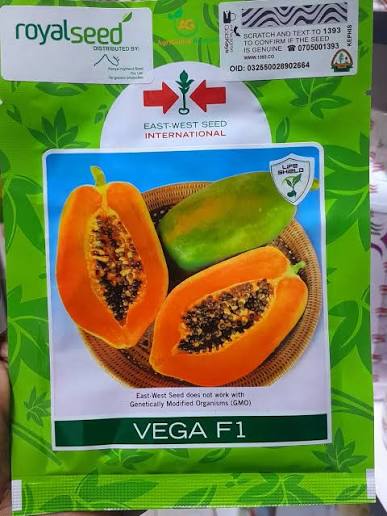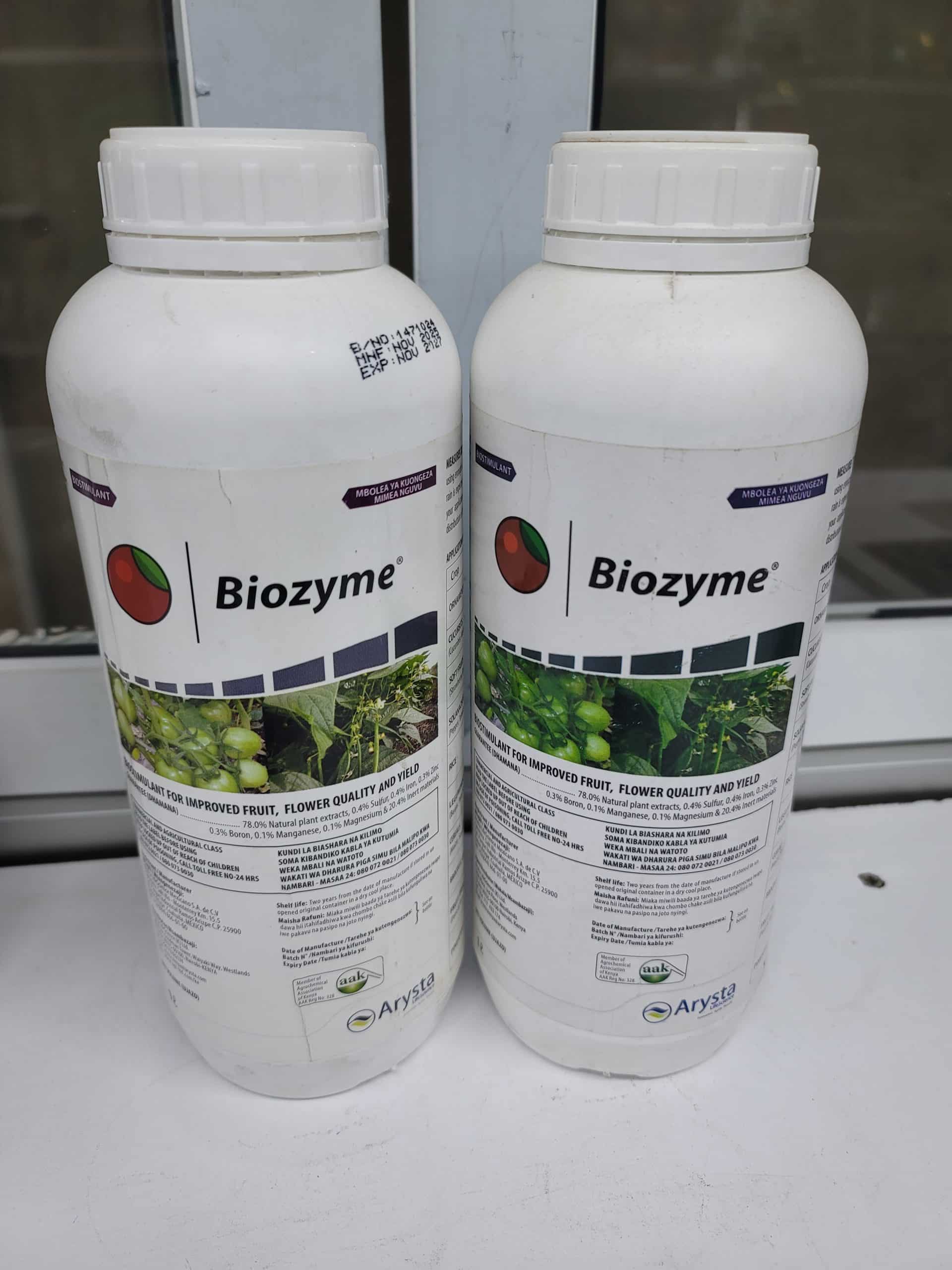
Understanding NPK fertilizer meaning helps farmers compare products by the nutrients they supply rather than by brand name alone. The three familiar numbers on many fertilizer labels represent nitrogen, phosphorus and potassium in a stated analysis, but those numbers only become useful when they are matched to crop stage, soil condition and the intended application method.
What Fertilizer Numbers Tell You
When farmers ask for fertilizer numbers explained, the starting point is the guaranteed analysis. Different NPK fertilizer ratios are designed for different nutrient balances, so a higher number is not automatically a better product. A nitrogen phosphorus potassium fertilizer should be selected because its nutrient profile fits the crop need, not because the bag carries the largest figures.
| Label Element | What It Indicates | Why Farmers Check It |
|---|---|---|
| N | Nitrogen contribution | Supports vegetative growth where nitrogen is required |
| P | Phosphorus contribution | Often considered in establishment and root development planning |
| K | Potassium contribution | Important in crop quality, water relations and later growth stages |
| Other nutrients | Calcium, sulphur, magnesium or micronutrients where listed | Shows what the product contributes beyond NPK |
DAP CAN and Other Fertilizer Analyses
DAP fertilizer composition and CAN fertilizer in Kenya should be read from the current product label because formulations serve different nutritional roles. Dawn Farmers lists products such as Yara DAP and YaraBela CAN, but the right choice depends on the field and crop stage.
Match Fertilizer Composition to the Crop Stage
Comparing fertilizer composition in Kenya is more useful when farmers separate establishment, vegetative growth, flowering and fruit or grain development. A planting fertilizer in Kenya may be selected for early crop needs, while a top dressing fertilizer is used later when the crop requires additional nutrition. Soil testing can make these decisions more precise.
Balanced Nutrition Does Not Mean One Product for Everything
A balanced fertilizer for crops should be understood in relation to the crop and field. Balance does not mean every nutrient must be supplied at the same level. Products such as YaraTera Calcinit illustrate why a calcium nitrate fertilizer has a different role from DAP, CAN or a complete NPK formulation.
Read Labels Before Comparing Price
Learning how to read fertilizer labels helps farmers compare nutrient analysis, formulation, pack size and intended application. Browse granular fertilizers, foliar fertilizers and fertigation fertilizers by their actual use. More fertilizer is not automatically more productive, and incompatible products should not be mixed simply because they are all plant nutrients.
Practical point: use the guaranteed analysis, crop stage, soil condition and application method together. Price per bag matters, but nutrient fit and correct use determine whether the purchase delivers value.
About the product and variety information used here: Fertilizer grades describe nutrient analysis, not guaranteed crop performance. Product labels and soil information should guide selection, and products with different analyses should not be treated as interchangeable.
What the Three NPK Numbers Actually Represent
The three numbers on many fertilizer labels describe the guaranteed analysis of nitrogen, phosphate and potash in that order. They are percentages by weight of the declared nutrient forms, not a promise of yield or a universal feeding ratio.
A 20-20-20 product and a 10-10-10 product may have the same nutrient ratio but different concentration. Understanding concentration helps farmers compare how much nutrient is supplied by a given weight of product.
The practical lesson from what the Three NPK Numbers Actually Represent is to connect nutrient decisions with evidence from the field. In crops, roots can only use nutrients that are available in the root zone and accessible under the prevailing moisture and pH conditions. A crop that is waterlogged, drought stressed or suffering from damaged roots may show poor growth even when fertilizer has been applied. Before adding another product, review what has already been used, where it was placed, recent rainfall or irrigation, and whether the symptom pattern is consistent across the field. This discipline keeps NPK, DAP and CAN fertilizer interpretation from becoming a sequence of expensive fertilizer guesses.
When applying the lesson from what the Three NPK Numbers Actually Represent to NPK, DAP and CAN fertilizer interpretation, separate what can be controlled from what cannot. Weather will change, but the farm can still control preparation, timing, input identity, equipment condition and record keeping. When conditions move away from the original plan, adjust the operation through agronomic reasoning instead of adding more product automatically. This approach keeps the decision resilient because it remains linked to the actual field rather than to a rigid recipe.
Before committing money or labour to what the Three NPK Numbers Actually Represent, ask what information would make the decision less uncertain for NPK, DAP and CAN fertilizer interpretation. It may be a soil test, a seed label, a pest count, a calibration measurement, a weather forecast, a market order or a current price. Collecting that information before spending money usually costs less than correcting the consequences of a poorly matched input. This habit is one of the clearest differences between reactive farming and deliberate farm management.
The idea behind NPK fertilizer meaning becomes most useful when it is applied to a real field decision. For NPK, DAP and CAN fertilizer interpretation, compare the farm conditions, stage of production and evidence from scouting or records before changing the programme.
Nitrogen and Vegetative Growth
Nitrogen is a major component of proteins, chlorophyll and many compounds involved in plant growth. Crops with inadequate nitrogen can show pale colour and weak growth, but similar symptoms can arise from root stress or other causes.
Excessive nitrogen can encourage overly lush growth, delay maturity in some crops and increase losses when timing or placement is poor. Nitrogen management therefore depends on crop demand, soil supply and application timing.
How to Apply Nitrogen and Vegetative Growth on the Farm
The practical lesson from nitrogen and Vegetative Growth is to connect nutrient decisions with evidence from the field. In crops, roots can only use nutrients that are available in the root zone and accessible under the prevailing moisture and pH conditions. A crop that is waterlogged, drought stressed or suffering from damaged roots may show poor growth even when fertilizer has been applied. Before adding another product, review what has already been used, where it was placed, recent rainfall or irrigation, and whether the symptom pattern is consistent across the field. This discipline keeps NPK, DAP and CAN fertilizer interpretation from becoming a sequence of expensive fertilizer guesses.
For a commercial grower managing NPK, DAP and CAN fertilizer interpretation, nitrogen and Vegetative Growth is also a cost-control point. Every pass through the field uses labour, fuel or carrying effort and may expose the crop to additional risk. An operation should therefore have a clear objective and a way to judge whether it worked. Record the date, field or block, input or equipment used and any observation that explains the result. Over time, those records show which practices are worth repeating.
Phosphorus and Early Development
Phosphorus is involved in energy transfer, root development and many metabolic processes. Its availability is strongly influenced by soil pH and soil chemistry, so simply adding more phosphorus does not guarantee uptake.
Because phosphorus moves less freely in many soils than nitrate, placement and root access can matter. Soil-test interpretation is useful before repeatedly applying high-phosphorus products.
The practical lesson from phosphorus and Early Development is to connect nutrient decisions with evidence from the field. In crops, roots can only use nutrients that are available in the root zone and accessible under the prevailing moisture and pH conditions. A crop that is waterlogged, drought stressed or suffering from damaged roots may show poor growth even when fertilizer has been applied. Before adding another product, review what has already been used, where it was placed, recent rainfall or irrigation, and whether the symptom pattern is consistent across the field. This discipline keeps NPK, DAP and CAN fertilizer interpretation from becoming a sequence of expensive fertilizer guesses.
A common mistake around phosphorus and Early Development is to respond to one disappointing symptom by changing several things at once. That makes it difficult to know which change helped and can create hidden interactions. Where possible, correct the most likely limiting factor first, observe NPK, DAP and CAN fertilizer interpretation, and keep other management stable. This is especially important when fertilizers or pesticides are involved, because unnecessary combinations increase cost and may create crop-safety or compatibility problems.
Before committing money or labour to phosphorus and Early Development, ask what information would make the decision less uncertain for NPK, DAP and CAN fertilizer interpretation. It may be a soil test, a seed label, a pest count, a calibration measurement, a weather forecast, a market order or a current price. Collecting that information before spending money usually costs less than correcting the consequences of a poorly matched input. This habit is one of the clearest differences between reactive farming and deliberate farm management.
Farmers researching DAP fertilizer composition should connect the phrase to practical management: what the crop needs, what the field can supply, what the current label or variety information says and what outcome will be measured afterwards.
Potassium and Crop Regulation
Potassium helps regulate water relations, enzyme activity, transport of sugars and many aspects of crop quality. High-demand fruiting or tuber crops can remove significant potassium, but the correct requirement depends on soil supply and yield level.
A visible deficiency should be distinguished from drought, root problems or salinity. Potassium sources also differ in accompanying nutrients and chemical form, so product choice requires more than looking for the letter K.
The practical lesson from potassium and Crop Regulation is to connect nutrient decisions with evidence from the field. In crops, roots can only use nutrients that are available in the root zone and accessible under the prevailing moisture and pH conditions. A crop that is waterlogged, drought stressed or suffering from damaged roots may show poor growth even when fertilizer has been applied. Before adding another product, review what has already been used, where it was placed, recent rainfall or irrigation, and whether the symptom pattern is consistent across the field. This discipline keeps NPK, DAP and CAN fertilizer interpretation from becoming a sequence of expensive fertilizer guesses.
The scale of potassium and Crop Regulation matters in NPK, DAP and CAN fertilizer interpretation. A decision that seems minor on a few plants can become expensive over several acres. Before applying it across the whole farm, confirm that the method, product or variety fits the field and that workers understand the procedure. Small trial areas, calibration checks and written instructions can prevent a repeated error from affecting an entire crop.
In practice, CAN fertilizer in Kenya should not be treated as a stand-alone promise. Its value depends on how well the product, variety or method fits NPK, DAP and CAN fertilizer interpretation under the actual conditions on the farm.
How DAP Fits Into Fertilizer Planning
DAP supplies nitrogen and a substantial proportion of phosphorus and is often associated with planting nutrition. Its nutrient ratio may fit some soils and crops better than others.
Where phosphorus is already high or soil chemistry is unsuitable, routine use without testing can lead to imbalance. The product should be selected because its analysis fits the agronomic plan, not because DAP is a familiar name.
How to Apply How DAP Fits Into Fertilizer Planning on the Farm
The practical lesson from how DAP Fits Into Fertilizer Planning is to connect nutrient decisions with evidence from the field. In crops, roots can only use nutrients that are available in the root zone and accessible under the prevailing moisture and pH conditions. A crop that is waterlogged, drought stressed or suffering from damaged roots may show poor growth even when fertilizer has been applied. Before adding another product, review what has already been used, where it was placed, recent rainfall or irrigation, and whether the symptom pattern is consistent across the field. This discipline keeps NPK, DAP and CAN fertilizer interpretation from becoming a sequence of expensive fertilizer guesses.
Good decisions about how DAP Fits Into Fertilizer Planning also leave room for local knowledge. Soil type, altitude, water quality, pest pressure and market conditions vary across Kenya, so general guidance should be refined with current local recommendations and product information. Use this principle with NPK, DAP and CAN fertilizer interpretation: understand the agronomy first, then adapt the details to the farm rather than copying a programme from a different production environment.
Before committing money or labour to how DAP Fits Into Fertilizer Planning, ask what information would make the decision less uncertain for NPK, DAP and CAN fertilizer interpretation. It may be a soil test, a seed label, a pest count, a calibration measurement, a weather forecast, a market order or a current price. Collecting that information before spending money usually costs less than correcting the consequences of a poorly matched input. This habit is one of the clearest differences between reactive farming and deliberate farm management.
How CAN Differs From DAP
CAN is primarily considered a nitrogen source and also supplies calcium, so it serves a different purpose from a phosphorus-rich planting fertilizer. Comparing DAP and CAN as if one replaces the other ignores their different nutrient analyses.
Crop stage, soil status and the objective of the application should guide which type of fertilizer is considered. This distinction is useful when farmers plan planting nutrition separately from later top dressing.
The practical lesson from how CAN Differs From DAP is to connect nutrient decisions with evidence from the field. In crops, roots can only use nutrients that are available in the root zone and accessible under the prevailing moisture and pH conditions. A crop that is waterlogged, drought stressed or suffering from damaged roots may show poor growth even when fertilizer has been applied. Before adding another product, review what has already been used, where it was placed, recent rainfall or irrigation, and whether the symptom pattern is consistent across the field. This discipline keeps NPK, DAP and CAN fertilizer interpretation from becoming a sequence of expensive fertilizer guesses.
Connect how CAN Differs From DAP to the next decision in the NPK, DAP and CAN fertilizer interpretation season. If establishment is uneven, later fertilizer and spray calculations may need to account for a lower plant population. If a pest treatment is delayed, scouting frequency may need to increase. If water is limiting, nutrient uptake may change. Thinking in sequences turns this step into part of a complete crop-management system instead of an isolated task.
A useful way to evaluate fertilizer numbers explained is to ask what changes in the field if this decision is correct. The answer should be observable through establishment, crop health, application quality, harvest or cost records rather than through marketing language alone.
Calcium Nitrate and Soluble Nutrition
Calcium nitrate supplies nitrate nitrogen and calcium in a highly soluble form and is used in systems where its properties fit the crop and application method. Solubility makes it useful in some fertigation programmes, but compatibility with other concentrated fertilizers must be considered.
Calcium can react with certain phosphate or sulfate sources in concentrated stock solutions and form precipitates. Always follow compatibility guidance rather than mixing fertilizers simply because each is water soluble.
The practical lesson from calcium Nitrate and Soluble Nutrition is to connect nutrient decisions with evidence from the field. In crops, roots can only use nutrients that are available in the root zone and accessible under the prevailing moisture and pH conditions. A crop that is waterlogged, drought stressed or suffering from damaged roots may show poor growth even when fertilizer has been applied. Before adding another product, review what has already been used, where it was placed, recent rainfall or irrigation, and whether the symptom pattern is consistent across the field. This discipline keeps NPK, DAP and CAN fertilizer interpretation from becoming a sequence of expensive fertilizer guesses.
After completing the work around calcium Nitrate and Soluble Nutrition, set one or two observations to check in NPK, DAP and CAN fertilizer interpretation. These might include emergence uniformity, crop colour, weed escape, pest numbers, nozzle output, fruit quality or marketable harvest depending on the stage. Without a follow-up observation, it is easy to repeat a costly practice simply because it has always been done that way.
Before committing money or labour to calcium Nitrate and Soluble Nutrition, ask what information would make the decision less uncertain for NPK, DAP and CAN fertilizer interpretation. It may be a soil test, a seed label, a pest count, a calibration measurement, a weather forecast, a market order or a current price. Collecting that information before spending money usually costs less than correcting the consequences of a poorly matched input. This habit is one of the clearest differences between reactive farming and deliberate farm management.
Secondary Nutrients Are Not Secondary in Importance
Calcium, magnesium and sulfur are often called secondary nutrients because crops generally need less of them than N, P and K, not because they are optional. They support cell walls, chlorophyll, proteins and many metabolic functions.
Deficiencies can appear where soils are depleted, pH is unsuitable or root conditions restrict uptake. A balanced programme considers these nutrients when soil, crop and product analysis indicate a need.
How to Apply Secondary Nutrients Are Not Secondary in Importance on the Farm
The practical lesson from secondary Nutrients Are Not Secondary in Importance is to connect nutrient decisions with evidence from the field. In crops, roots can only use nutrients that are available in the root zone and accessible under the prevailing moisture and pH conditions. A crop that is waterlogged, drought stressed or suffering from damaged roots may show poor growth even when fertilizer has been applied. Before adding another product, review what has already been used, where it was placed, recent rainfall or irrigation, and whether the symptom pattern is consistent across the field. This discipline keeps NPK, DAP and CAN fertilizer interpretation from becoming a sequence of expensive fertilizer guesses.
If advice about secondary Nutrients Are Not Secondary in Importance from a supplier, neighbour and agronomist differs, compare each recommendation against current label or variety information and the conditions in the field. The most persuasive recommendation for NPK, DAP and CAN fertilizer interpretation is the one that explains why it fits the crop, stage and problem. That standard reduces dependence on brand reputation or hearsay.
The idea behind NPK fertilizer ratios becomes most useful when it is applied to a real field decision. For NPK, DAP and CAN fertilizer interpretation, compare the farm conditions, stage of production and evidence from scouting or records before changing the programme.
Micronutrients and Small Quantities
Iron, zinc, boron, manganese, copper, molybdenum and other micronutrients are needed in much smaller amounts than macronutrients. Because the required quantities are small, both deficiency and excess can be important.
Foliar products are sometimes used for micronutrient correction, but diagnosis and correct concentration matter. Do not assume that a broad micronutrient mix is necessary simply because the crop is not growing well.
The practical lesson from micronutrients and Small Quantities is to connect nutrient decisions with evidence from the field. In crops, roots can only use nutrients that are available in the root zone and accessible under the prevailing moisture and pH conditions. A crop that is waterlogged, drought stressed or suffering from damaged roots may show poor growth even when fertilizer has been applied. Before adding another product, review what has already been used, where it was placed, recent rainfall or irrigation, and whether the symptom pattern is consistent across the field. This discipline keeps NPK, DAP and CAN fertilizer interpretation from becoming a sequence of expensive fertilizer guesses.
When applying the lesson from micronutrients and Small Quantities to NPK, DAP and CAN fertilizer interpretation, separate what can be controlled from what cannot. Weather will change, but the farm can still control preparation, timing, input identity, equipment condition and record keeping. When conditions move away from the original plan, adjust the operation through agronomic reasoning instead of adding more product automatically. This approach keeps the decision resilient because it remains linked to the actual field rather than to a rigid recipe.
Before committing money or labour to micronutrients and Small Quantities, ask what information would make the decision less uncertain for NPK, DAP and CAN fertilizer interpretation. It may be a soil test, a seed label, a pest count, a calibration measurement, a weather forecast, a market order or a current price. Collecting that information before spending money usually costs less than correcting the consequences of a poorly matched input. This habit is one of the clearest differences between reactive farming and deliberate farm management.
Farmers researching nitrogen phosphorus potassium fertilizer should connect the phrase to practical management: what the crop needs, what the field can supply, what the current label or variety information says and what outcome will be measured afterwards.
Ratios Versus Actual Nutrient Quantity
A fertilizer ratio shows the relationship between nutrients, while the grade shows their concentration. Two fertilizers can share a ratio but supply very different amounts of nutrient per kilogram.
Farmers should therefore calculate or compare actual nutrient supplied when evaluating price and application plans. This is especially important when comparing a concentrated soluble product with a lower-analysis granular product.
The practical lesson from ratios Versus Actual Nutrient Quantity is to connect nutrient decisions with evidence from the field. In crops, roots can only use nutrients that are available in the root zone and accessible under the prevailing moisture and pH conditions. A crop that is waterlogged, drought stressed or suffering from damaged roots may show poor growth even when fertilizer has been applied. Before adding another product, review what has already been used, where it was placed, recent rainfall or irrigation, and whether the symptom pattern is consistent across the field. This discipline keeps NPK, DAP and CAN fertilizer interpretation from becoming a sequence of expensive fertilizer guesses.
For a commercial grower managing NPK, DAP and CAN fertilizer interpretation, ratios Versus Actual Nutrient Quantity is also a cost-control point. Every pass through the field uses labour, fuel or carrying effort and may expose the crop to additional risk. An operation should therefore have a clear objective and a way to judge whether it worked. Record the date, field or block, input or equipment used and any observation that explains the result. Over time, those records show which practices are worth repeating.
Why Soil pH Changes the Meaning of a Fertilizer Plan
Soil pH influences nutrient solubility, microbial activity and root-zone chemistry. Some nutrients become less available under very acidic or alkaline conditions even when total soil content is adequate.
Correcting pH problems can improve fertilizer efficiency and reduce the need for repeated corrective applications. A fertilizer programme that ignores pH can become expensive without fixing the underlying limitation.
How to Apply Why Soil pH Changes the Meaning of a Fertilizer Plan on the Farm
The practical lesson from why Soil pH Changes the Meaning of a Fertilizer Plan is to connect nutrient decisions with evidence from the field. In crops, roots can only use nutrients that are available in the root zone and accessible under the prevailing moisture and pH conditions. A crop that is waterlogged, drought stressed or suffering from damaged roots may show poor growth even when fertilizer has been applied. Before adding another product, review what has already been used, where it was placed, recent rainfall or irrigation, and whether the symptom pattern is consistent across the field. This discipline keeps NPK, DAP and CAN fertilizer interpretation from becoming a sequence of expensive fertilizer guesses.
A common mistake around why Soil pH Changes the Meaning of a Fertilizer Plan is to respond to one disappointing symptom by changing several things at once. That makes it difficult to know which change helped and can create hidden interactions. Where possible, correct the most likely limiting factor first, observe NPK, DAP and CAN fertilizer interpretation, and keep other management stable. This is especially important when fertilizers or pesticides are involved, because unnecessary combinations increase cost and may create crop-safety or compatibility problems.
Before committing money or labour to why Soil pH Changes the Meaning of a Fertilizer Plan, ask what information would make the decision less uncertain for NPK, DAP and CAN fertilizer interpretation. It may be a soil test, a seed label, a pest count, a calibration measurement, a weather forecast, a market order or a current price. Collecting that information before spending money usually costs less than correcting the consequences of a poorly matched input. This habit is one of the clearest differences between reactive farming and deliberate farm management.
In practice, fertilizer composition in Kenya should not be treated as a stand-alone promise. Its value depends on how well the product, variety or method fits NPK, DAP and CAN fertilizer interpretation under the actual conditions on the farm.
Soil Tests Plant Tests and Visual Symptoms
Soil analysis provides information before or during the season, while plant tissue analysis can show what the crop is taking up at a particular stage. Visual symptoms are useful scouting clues but are less precise because multiple stresses can look similar.
The strongest decisions combine test information, field history and crop observation. When test interpretation is uncertain, seek agronomic advice before making a large corrective application.
The practical lesson from soil Tests Plant Tests and Visual Symptoms is to connect nutrient decisions with evidence from the field. In crops, roots can only use nutrients that are available in the root zone and accessible under the prevailing moisture and pH conditions. A crop that is waterlogged, drought stressed or suffering from damaged roots may show poor growth even when fertilizer has been applied. Before adding another product, review what has already been used, where it was placed, recent rainfall or irrigation, and whether the symptom pattern is consistent across the field. This discipline keeps NPK, DAP and CAN fertilizer interpretation from becoming a sequence of expensive fertilizer guesses.
The scale of soil Tests Plant Tests and Visual Symptoms matters in NPK, DAP and CAN fertilizer interpretation. A decision that seems minor on a few plants can become expensive over several acres. Before applying it across the whole farm, confirm that the method, product or variety fits the field and that workers understand the procedure. Small trial areas, calibration checks and written instructions can prevent a repeated error from affecting an entire crop.
A useful way to evaluate planting fertilizer in Kenya is to ask what changes in the field if this decision is correct. The answer should be observable through establishment, crop health, application quality, harvest or cost records rather than through marketing language alone.
Granular Fertilizer Labels
A granular fertilizer label should identify nutrient analysis, net weight, manufacturer or supplier information and directions for use. Granule size and physical quality also affect handling and spreading uniformity.
Do not buy a product solely because the bag has familiar colours or because the NPK numbers look high. The correct grade is the one that fits the soil and crop objective.
The practical lesson from granular Fertilizer Labels is to connect nutrient decisions with evidence from the field. In crops, roots can only use nutrients that are available in the root zone and accessible under the prevailing moisture and pH conditions. A crop that is waterlogged, drought stressed or suffering from damaged roots may show poor growth even when fertilizer has been applied. Before adding another product, review what has already been used, where it was placed, recent rainfall or irrigation, and whether the symptom pattern is consistent across the field. This discipline keeps NPK, DAP and CAN fertilizer interpretation from becoming a sequence of expensive fertilizer guesses.
Good decisions about granular Fertilizer Labels also leave room for local knowledge. Soil type, altitude, water quality, pest pressure and market conditions vary across Kenya, so general guidance should be refined with current local recommendations and product information. Use this principle with NPK, DAP and CAN fertilizer interpretation: understand the agronomy first, then adapt the details to the farm rather than copying a programme from a different production environment.
Before committing money or labour to granular Fertilizer Labels, ask what information would make the decision less uncertain for NPK, DAP and CAN fertilizer interpretation. It may be a soil test, a seed label, a pest count, a calibration measurement, a weather forecast, a market order or a current price. Collecting that information before spending money usually costs less than correcting the consequences of a poorly matched input. This habit is one of the clearest differences between reactive farming and deliberate farm management.
Water-Soluble and Foliar Labels
Soluble and foliar fertilizers often include additional information on dilution, application method and compatibility. Because the product may contact leaves directly, concentration and spray conditions can affect crop safety.
For fertigation, complete solubility and compatibility with the irrigation system are essential. Follow the specific use directions rather than converting a soil application rate into a foliar rate.
How to Apply Water-Soluble and Foliar Labels on the Farm
For NPK, DAP and CAN fertilizer interpretation, water-Soluble and Foliar Labels should always be connected to diagnosis and application quality. The farmer should be able to name the crop, target problem, crop stage and the reason treatment is justified before opening a pesticide container. Then the current label determines whether the product is registered for that use, how it is mixed and applied, what protective equipment is required, and what restrictions apply before harvest or worker re-entry. Changing dose, shortening intervals or adding unlisted tank-mix partners because control looks weak can create more problems than it solves. Review diagnosis, coverage, timing and resistance management first.
Connect water-Soluble and Foliar Labels to the next decision in the NPK, DAP and CAN fertilizer interpretation season. If establishment is uneven, later fertilizer and spray calculations may need to account for a lower plant population. If a pest treatment is delayed, scouting frequency may need to increase. If water is limiting, nutrient uptake may change. Thinking in sequences turns this step into part of a complete crop-management system instead of an isolated task.
The idea behind top dressing fertilizer becomes most useful when it is applied to a real field decision. For NPK, DAP and CAN fertilizer interpretation, compare the farm conditions, stage of production and evidence from scouting or records before changing the programme.
Fertilizer Compatibility and Tank Mixing
Mixing fertilizers can create precipitates, heat, pH changes or chemical interactions that reduce nutrient availability or block equipment. Products that are safe separately are not automatically safe in the same stock tank.
Check manufacturer compatibility information and use jar testing where recommended. Never mix concentrated products based only on the assumption that all fertilizers are plant foods.
The practical lesson from fertilizer Compatibility and Tank Mixing is to connect nutrient decisions with evidence from the field. In crops, roots can only use nutrients that are available in the root zone and accessible under the prevailing moisture and pH conditions. A crop that is waterlogged, drought stressed or suffering from damaged roots may show poor growth even when fertilizer has been applied. Before adding another product, review what has already been used, where it was placed, recent rainfall or irrigation, and whether the symptom pattern is consistent across the field. This discipline keeps NPK, DAP and CAN fertilizer interpretation from becoming a sequence of expensive fertilizer guesses.
After completing the work around fertilizer Compatibility and Tank Mixing, set one or two observations to check in NPK, DAP and CAN fertilizer interpretation. These might include emergence uniformity, crop colour, weed escape, pest numbers, nozzle output, fruit quality or marketable harvest depending on the stage. Without a follow-up observation, it is easy to repeat a costly practice simply because it has always been done that way.
Before committing money or labour to fertilizer Compatibility and Tank Mixing, ask what information would make the decision less uncertain for NPK, DAP and CAN fertilizer interpretation. It may be a soil test, a seed label, a pest count, a calibration measurement, a weather forecast, a market order or a current price. Collecting that information before spending money usually costs less than correcting the consequences of a poorly matched input. This habit is one of the clearest differences between reactive farming and deliberate farm management.
Price Per Bag Versus Price Per Nutrient
Comparing fertilizer price by bag size alone can hide large differences in nutrient concentration. A better comparison considers how much of the required nutrient is supplied, the application method and whether the product contains other useful nutrients.
Labour, transport and number of applications also affect total cost. Value should be measured against the agronomic purpose, not against the lowest shelf price.
For NPK, DAP and CAN fertilizer interpretation, the decision around price Per Bag Versus Price Per Nutrient is strongest when the farmer can explain exactly what is being purchased and why. That means comparing specification or label information, the quantity required, storage or handling needs, and the cost of getting the input to the farm. A lower shelf price can be poor value when the wrong product is bought, while a higher-priced option is not automatically better simply because it carries a recognised brand. Keep the production objective in front of the buying decision and ask for the exact item, formulation, variety or specification rather than accepting a vague substitute.
If advice about price Per Bag Versus Price Per Nutrient from a supplier, neighbour and agronomist differs, compare each recommendation against current label or variety information and the conditions in the field. The most persuasive recommendation for NPK, DAP and CAN fertilizer interpretation is the one that explains why it fits the crop, stage and problem. That standard reduces dependence on brand reputation or hearsay.
Farmers researching balanced fertilizer for crops should connect the phrase to practical management: what the crop needs, what the field can supply, what the current label or variety information says and what outcome will be measured afterwards.
Avoid the More Is Better Trap
Plants need nutrients within a useful range; excessive application can create toxicity, salt stress, nutrient imbalance or environmental loss. A weak crop may be limited by water, roots, disease or pH rather than fertilizer quantity.
Increasing the rate without diagnosis can make the original problem harder to identify. Use recommended rates and adjust programmes through evidence, not frustration.
How to Apply Avoid the More Is Better Trap on the Farm
The farm-level value of avoid the More Is Better Trap comes from consistency in NPK, DAP and CAN fertilizer interpretation. One well-managed operation supports the next: uniform establishment improves scouting, good scouting improves timing, and accurate timing makes every later input easier to justify. Small variations in depth, plant population, operator technique or field condition can become large yield differences when they are repeated over a whole field. Use a simple checklist before the operation begins, observe the result afterwards, and record anything unusual so the next season is based on evidence rather than memory.
When applying the lesson from avoid the More Is Better Trap to NPK, DAP and CAN fertilizer interpretation, separate what can be controlled from what cannot. Weather will change, but the farm can still control preparation, timing, input identity, equipment condition and record keeping. When conditions move away from the original plan, adjust the operation through agronomic reasoning instead of adding more product automatically. This approach keeps the decision resilient because it remains linked to the actual field rather than to a rigid recipe.
Before committing money or labour to avoid the More Is Better Trap, ask what information would make the decision less uncertain for NPK, DAP and CAN fertilizer interpretation. It may be a soil test, a seed label, a pest count, a calibration measurement, a weather forecast, a market order or a current price. Collecting that information before spending money usually costs less than correcting the consequences of a poorly matched input. This habit is one of the clearest differences between reactive farming and deliberate farm management.
In practice, calcium nitrate fertilizer should not be treated as a stand-alone promise. Its value depends on how well the product, variety or method fits NPK, DAP and CAN fertilizer interpretation under the actual conditions on the farm.
Storage Handling and Worker Safety
Keep fertilizers dry, labelled and separated from food, animal feed and household goods. Use suitable protective equipment when handling dusty or concentrated products and wash after use.
Damaged bags should be managed without losing the product identity. Storage discipline reduces accidents and preserves fertilizer quality.
In NPK, DAP and CAN fertilizer interpretation, storage Handling and Worker Safety deserves the same attention as establishment because this is when field effort is converted into saleable produce. Harvest quality can be reduced by stress, delayed picking, rough handling, moisture problems or poor storage even when the crop grew well. Plan labour, containers, drying or cooling needs and market timing before the crop reaches peak maturity. Keeping rejected or damaged produce separate also helps the farm measure marketable yield rather than overestimating performance from total biological production.
For a commercial grower managing NPK, DAP and CAN fertilizer interpretation, storage Handling and Worker Safety is also a cost-control point. Every pass through the field uses labour, fuel or carrying effort and may expose the crop to additional risk. An operation should therefore have a clear objective and a way to judge whether it worked. Record the date, field or block, input or equipment used and any observation that explains the result. Over time, those records show which practices are worth repeating.
Choosing the Right Fertilizer at Purchase
Before buying, know the crop, stage, field condition and nutrient objective. Confirm the product analysis, formulation, pack size, intended application method and current label.
Where two products appear similar, compare nutrient content and suitability rather than brand recognition alone. A traceable supplier can also help confirm current stock and the exact product being sold.
The practical lesson from choosing the Right Fertilizer at Purchase is to connect nutrient decisions with evidence from the field. In crops, roots can only use nutrients that are available in the root zone and accessible under the prevailing moisture and pH conditions. A crop that is waterlogged, drought stressed or suffering from damaged roots may show poor growth even when fertilizer has been applied. Before adding another product, review what has already been used, where it was placed, recent rainfall or irrigation, and whether the symptom pattern is consistent across the field. This discipline keeps NPK, DAP and CAN fertilizer interpretation from becoming a sequence of expensive fertilizer guesses.
A common mistake around choosing the Right Fertilizer at Purchase is to respond to one disappointing symptom by changing several things at once. That makes it difficult to know which change helped and can create hidden interactions. Where possible, correct the most likely limiting factor first, observe NPK, DAP and CAN fertilizer interpretation, and keep other management stable. This is especially important when fertilizers or pesticides are involved, because unnecessary combinations increase cost and may create crop-safety or compatibility problems.
Before committing money or labour to choosing the Right Fertilizer at Purchase, ask what information would make the decision less uncertain for NPK, DAP and CAN fertilizer interpretation. It may be a soil test, a seed label, a pest count, a calibration measurement, a weather forecast, a market order or a current price. Collecting that information before spending money usually costs less than correcting the consequences of a poorly matched input. This habit is one of the clearest differences between reactive farming and deliberate farm management.
Good practice around how to read fertilizer labels begins with current product directions, calibrated equipment and the actual crop or field situation. For NPK, DAP and CAN fertilizer interpretation, accuracy and safety should come before attempts to make a product work faster or stronger.
Farmers who want to turn fertilizer analysis into a field programme can also use Fertilizer for Maize in Kenya From Planting to Top Dressing and Grain Filling, Types of Fertilizers in Kenya Granular Foliar and Fertigation Explained and Fertilizers for Sale in Nairobi Kenya for connected planning and buying decisions.
Frequently Asked Questions
What do the three numbers on NPK fertilizer mean?
They indicate the guaranteed proportions of nitrogen, phosphorus and potassium expressed according to fertilizer labelling conventions.
Is a higher NPK number always better?
No. Higher concentration is not automatically better if the nutrient balance or application method does not fit the crop.
What is DAP generally used for?
DAP is commonly used as a phosphorus-rich planting fertilizer where soil and crop requirements justify it.
What is CAN fertilizer used for?
CAN is commonly used as a nitrogen source during crop growth, with calcium also present. Timing and rate should follow crop and soil needs.
What is calcium nitrate fertilizer?
Calcium nitrate is a soluble fertilizer source of nitrogen and calcium used in suitable soil, fertigation or specialty nutrition programmes.
How should farmers compare fertilizer labels?
Compare nutrient analysis, formulation, crop stage, application method and pack size rather than choosing from brand name alone.
Can fertilizer choice be made from crop colour alone?
No. Visual symptoms are useful clues, but water stress, root damage, disease, pH problems and herbicide injury can resemble nutrient deficiency.
Why is a soil test useful before buying fertilizer?
A soil test provides information on pH and selected nutrient conditions so the fertilizer programme can be based on the field rather than a generic recipe. In NPK, DAP and CAN fertilizer interpretation, adapt this point to current field conditions, product or variety information and the management capacity of the farm.
Is a higher NPK number always better?
No. Higher numbers mean higher concentration, not automatically better suitability. The nutrient ratio and crop need still have to match.
Can foliar fertilizer replace all soil fertilizer?
Usually not. Foliar feeding can supplement or correct specific needs, but crops often require larger nutrient quantities through the root zone.
Why should fertilizer rates not be increased without evidence?
Excess fertilizer can cause salt stress, nutrient imbalance, crop injury, nutrient loss and unnecessary cost without solving the actual limitation.
What should I compare when buying two fertilizers?
Compare nutrient analysis, formulation, application route, pack size, crop stage, quantity of nutrient supplied and total cost for the intended use.
Compare Fertilizer Options With Dawn Farmers
Use the guide above to narrow the requirement, then browse fertilizer options. For current stock, pack sizes and prices, contact Dawn Farmers Limited on +254 724 367 713. In NPK, DAP and CAN fertilizer interpretation, adapt this point to current field conditions, product or variety information and the management capacity of the farm.