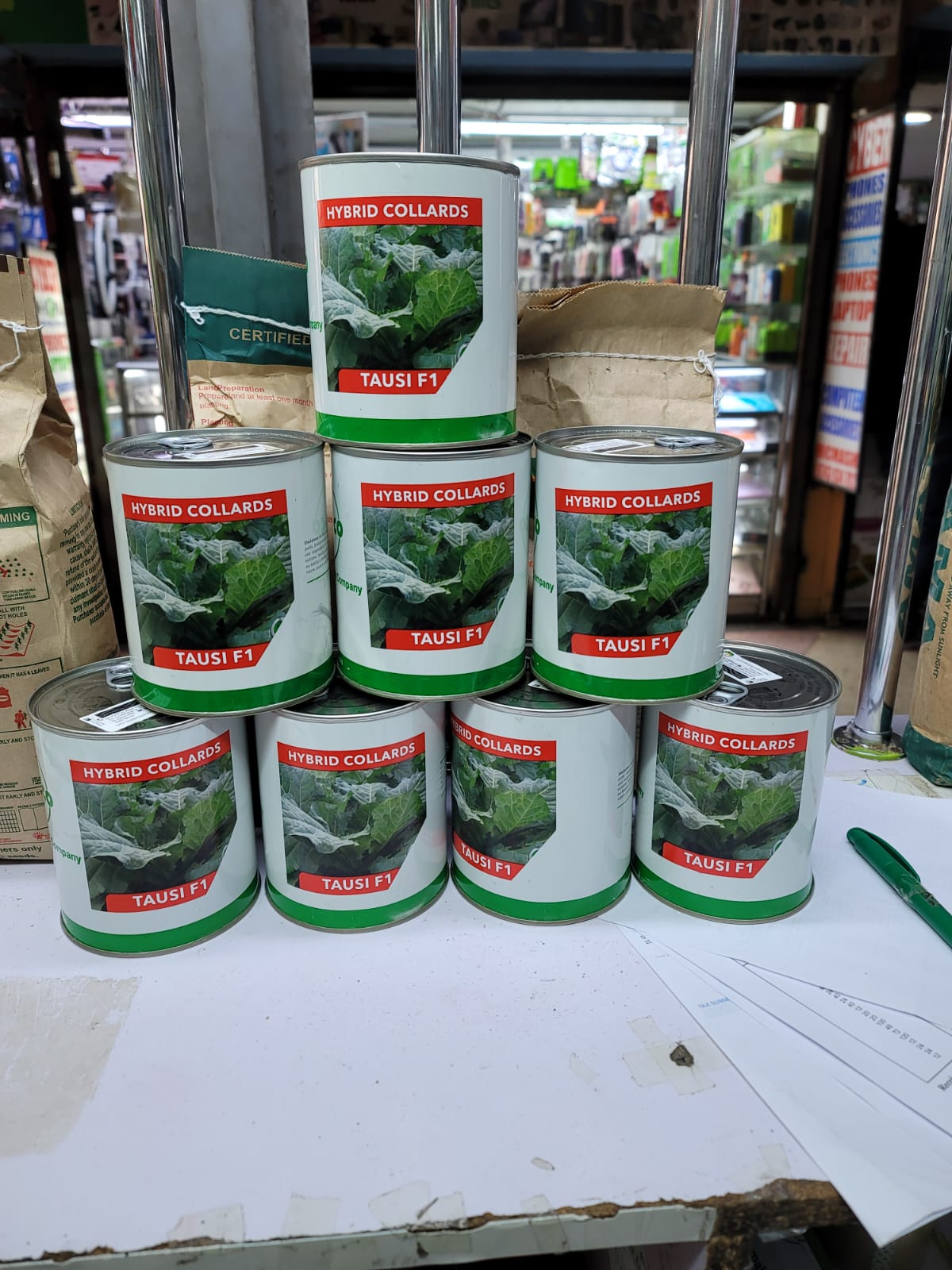
Call or WhatsApp Dawn Farmers Limited on 0724367713 for Tausi F1 seed availability, pack sizes and the current Tausi F1 price in Kenya.
Why Buy Tausi F1 Collard Seeds in Kenya?
Tausi F1 collard seeds in Kenya are suitable for farmers who want to establish a productive collard crop for regular harvesting and fresh-market sales. Collards are among the most widely consumed leafy vegetables in Kenya, creating opportunities for both small-scale and commercial growers.
- Good market demand: Collard leaves are consumed regularly by households throughout Kenya.
- Continuous harvesting: Mature lower leaves can be harvested repeatedly while plants continue producing new foliage.
- Commercial potential: Farmers can supply groceries, open-air markets, hotels, restaurants, schools and institutions.
- Suitable for intensive farming: Tausi F1 can be incorporated into both small-scale and larger commercial vegetable-production systems.
- Hybrid seed: Good-quality hybrid seed can help farmers establish a relatively uniform commercial crop when properly managed.
- Regular cash flow: Repeated harvesting gives farmers opportunities for regular sales rather than relying on a single harvest.
Where to Buy Tausi F1 Collard Seeds in Nairobi
Farmers searching for Tausi F1 collard seeds in Kenya can contact Dawn Farmers Limited in Nairobi for seed availability and professional agronomic guidance.
Dawn Farmers Limited supplies farmers with:
- Hybrid vegetable seeds
- Collard and sukuma wiki seeds
- Fertilizers
- Foliar fertilizers
- Fungicides
- Insecticides
- Nursery media
- Crop-production inputs
Dawn Farmers Limited
Mang Building, Haile Selassie Avenue
Nairobi, Kenya
Phone/WhatsApp: 0724367713
Website: https://dawnfarmers.com/
Tausi F1 Collard Seeds Price in Kenya
The Tausi F1 collard seeds price in Kenya may vary depending on pack size, current supplier pricing and stock availability.
Farmers looking for the latest Tausi F1 seed price in Nairobi should confirm the current price before ordering.
Call or WhatsApp Dawn Farmers Limited on 0713 064 228 for current Tausi F1 collard seed prices, available pack sizes and stock information.
How to Grow Tausi F1 Collards in Kenya
Successful Tausi F1 collard farming in Kenya begins with proper site selection, land preparation, healthy seedlings, adequate soil fertility and reliable moisture.
The crop should be planted in well-drained, fertile soil and managed carefully from nursery establishment through harvesting.
Suitable Climate
Collards perform well under moderate temperatures. Extremely high temperatures combined with inadequate water can reduce vegetative growth and leaf quality.
Farmers growing Tausi F1 during dry periods should ensure reliable irrigation.
Suitable Soil
Tausi F1 collards perform best in:
- Deep and fertile soils
- Well-drained loam soils
- Soils rich in organic matter
- Fields without prolonged waterlogging
A soil pH of approximately 6.0–7.0 is generally suitable for brassica vegetable production.
Commercial farmers are encouraged to conduct a soil test before planting to determine soil pH and nutrient requirements.
Land Preparation for Tausi F1 Collards
Prepare the land early to achieve a fine, weed-free planting area.
- Clear weeds and previous crop residues.
- Plough or dig the soil deeply.
- Break large soil clods.
- Incorporate well-decomposed manure or compost.
- Improve drainage in areas where waterlogging may occur.
- Prepare planting rows according to the selected spacing.
Well-decomposed organic manure improves soil structure, moisture retention, nutrient availability and root development.
How to Raise Tausi F1 Collard Seedlings
Tausi F1 is normally established in a nursery before seedlings are transplanted into the main field.
Preparing the Nursery
Select a nursery site with good drainage, reliable clean water and adequate sunlight.
Seedlings may be raised in conventional nursery beds or seedling trays using suitable nursery media.
Useful nursery-media components may include:
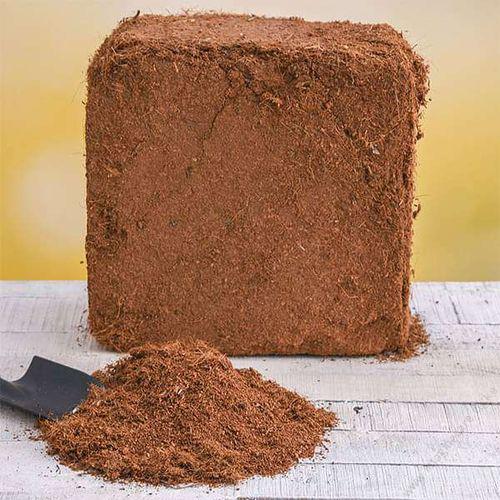
- Cocopeat
- Peat moss
- Vermiculite
- Clean nursery substrates
Sowing Tausi F1 Seeds
Sow seeds shallowly and cover them with a thin layer of fine soil or nursery media.
Water gently immediately after sowing. Keep the nursery moist without allowing the growing media to become continuously waterlogged.
Nursery Management
During the nursery period:
- Water regularly.
- Remove weeds early.
- Avoid overcrowding.
- Monitor for damping-off.
- Monitor for aphids and caterpillars.
- Remove diseased seedlings.
- Harden seedlings before transplanting.
Tausi F1 Collard Seed Rate Per Acre
The amount of Tausi F1 collard seed required per acre depends on the selected spacing, seed count per packet, germination percentage and expected nursery losses.
Farmers should first determine the required plant population and then purchase sufficient seed to cover the main field plus extra seedlings for gap filling.
Always check the seed packet for the breeder’s recommended seed rate and seed count.
Not sure how much Tausi F1 seed you need for ¼ acre, ½ acre, 1 acre or more? Contact Dawn Farmers Limited on 0713 064 228 for assistance.
Recommended Tausi F1 Collard Spacing
Correct spacing allows plants to access adequate sunlight, nutrients and moisture while providing enough space for field operations.
| Spacing | Approximate Plant Population Per Acre |
|---|---|
| 60 cm × 45 cm | Approximately 14,000–15,000 plants |
| 60 cm × 60 cm | Approximately 11,000 plants |
The actual plant population may be lower after allowing for pathways, irrigation infrastructure and other field requirements.
Final spacing should also consider soil fertility, irrigation, desired plant size and the breeder’s recommendations.
Transplanting Tausi F1 Collards
Transplant healthy, vigorous seedlings with several true leaves and a well-developed root system.
Select seedlings that are:
- Strong and upright
- Healthy green
- Free from visible pest damage
- Free from disease symptoms
- Well rooted
Avoid transplanting severely elongated, yellow, weak or diseased seedlings.
Transplant during the cooler part of the day, preferably late afternoon, and water immediately to minimise transplant shock.
Best Fertilizer for Tausi F1 Collards
A good Tausi F1 fertilizer program should provide balanced nutrition throughout crop development.
Because collards are primarily grown for their leaves, nitrogen is particularly important for vegetative growth. However, nitrogen should be balanced with phosphorus, potassium, calcium, magnesium and essential micronutrients.
Soil testing is recommended before determining exact fertilizer rates.
At Land Preparation
Apply well-decomposed manure or compost and incorporate it thoroughly into the soil.
At Transplanting
An appropriate starter fertilizer may be applied according to soil-test recommendations to encourage early root establishment.
Products such as EasyGro Starter may be considered where their nutrient composition matches crop requirements.
Vegetative Growth
After establishment, adequate nitrogen supports vigorous leaf production.
Depending on soil and crop requirements, supplementary nutrition options available through Dawn Farmers may include:
- MaxiGrow High N
- MaxiGrow General Premium
- YaraVita Crop Boost
- Other suitable balanced fertilizers
After Repeated Harvesting
Continuous harvesting removes nutrients from the crop. Split top-dressing applications may therefore be required to maintain vigorous new leaf production.
Tausi F1 Collard Fertilizer Application Schedule
| Crop Stage | Main Objective | Nutrition Focus |
|---|---|---|
| Land preparation | Improve soil fertility | Well-decomposed manure or compost |
| Transplanting | Root establishment | Suitable starter nutrition based on soil analysis |
| 2–3 weeks after establishment | Vegetative growth | Appropriate nitrogen top dressing where required |
| Active leaf development | Build healthy foliage | Balanced nutrition and supplementary foliar feeding where necessary |
| Harvesting period | Encourage continuous regrowth | Split nutrition according to crop condition and soil fertility |
Important: Exact fertilizer rates should be based on soil analysis, crop condition and the manufacturer’s label.
Irrigation Requirements for Tausi F1 Collards
Consistent moisture is important because collards are grown for succulent leaves.
Water stress may cause:
- Slow growth
- Smaller leaves
- Tough leaves
- Reduced harvesting frequency
- Lower marketable yield
Drip irrigation is particularly suitable for commercial collard production because it delivers water directly to the root zone while reducing unnecessary leaf wetness.
Avoid waterlogging because saturated soil can damage roots and encourage diseases.
Weed Management in Tausi F1 Collards
Control weeds early because they compete with the crop for water, nutrients, sunlight and space.
Farmers can combine:
- Hand weeding
- Shallow hoeing
- Mulching
- Clean field boundaries
- Removal of weeds before seed formation
Avoid deep cultivation close to established plants because it may damage feeder roots.
Major Pests Affecting Tausi F1 Collards in Kenya
1. Diamondback Moth
Diamondback moth is one of the major pests of brassica vegetables. Caterpillars feed on leaves and produce holes that significantly reduce market quality.
Farmers should scout regularly and begin control measures before infestations become severe.
2. Aphids
Aphids form colonies on tender leaves and feed on plant sap. Heavy infestations can cause curling, poor plant growth and contamination of harvested leaves.
3. Whiteflies
Whiteflies suck plant sap and can weaken heavily infested plants.
4. Cutworms
Cutworms are particularly damaging shortly after transplanting because they can cut young seedlings near ground level.
5. Leaf-Eating Caterpillars
Various caterpillars may attack collards. Because the leaf itself is the product being sold, feeding damage can substantially reduce market value.
Integrated Pest Management for Tausi F1 Collards
- Scout the crop several times every week.
- Correctly identify pests before spraying.
- Control weeds that act as alternative pest hosts.
- Remove heavily infested plant material.
- Encourage beneficial insects.
- Use registered pesticides only when necessary.
- Rotate insecticides with different modes of action.
- Follow the manufacturer’s application rate.
- Observe the stated pre-harvest interval.
Pre-harvest intervals are particularly important in collards because leaves are harvested frequently for human consumption.
Major Diseases of Collards in Kenya
1. Damping-Off
Damping-off mainly affects young seedlings. Infected seedlings may rot around soil level, collapse and die.
Reduce the risk through clean nursery media, good drainage, appropriate watering and proper nursery hygiene.
2. Black Rot
Black rot is an important bacterial disease of brassicas. Typical symptoms may include yellow V-shaped lesions developing from the edges of leaves.
Management includes crop rotation, sanitation, healthy planting material and removal of severely affected plants.
3. Downy Mildew
Downy mildew is favoured by cool, humid conditions and prolonged leaf wetness. Symptoms may include yellow areas on leaves accompanied by fungal growth underneath.
4. Alternaria Leaf Spot
Alternaria can cause dark leaf spots that reduce the marketability of harvested collard leaves.
5. Clubroot
Clubroot causes abnormal swelling and distortion of brassica roots, resulting in wilting and poor plant growth.
Management includes crop rotation, improving drainage, avoiding movement of contaminated soil and correcting excessively acidic soils according to soil-test recommendations.
Tausi F1 Collard Pest and Disease Monitoring Schedule
| Crop Stage | Main Risks | Management Focus |
|---|---|---|
| Nursery | Damping-off, aphids, caterpillars | Nursery hygiene, moisture management and regular scouting |
| After transplanting | Cutworms and transplant stress | Inspect seedlings frequently and replace missing plants |
| Vegetative stage | Diamondback moth, aphids and whiteflies | Regular scouting and early IPM intervention |
| Wet weather | Downy mildew and leaf spots | Improve airflow and monitor diseases closely |
| Harvesting | Pest resurgence and leaf diseases | Select appropriate products and strictly observe PHIs |
How to Harvest Tausi F1 Collards
Begin harvesting when plants are well established and have produced sufficient mature leaves.
Harvesting should normally start with the mature lower leaves while maintaining healthy younger foliage and the central growing point.
- Pick mature lower leaves.
- Leave sufficient upper foliage on the plant.
- Do not damage the central growing point.
- Remove yellow or diseased leaves.
- Handle harvested leaves carefully to avoid bruising.
Harvesting during the cooler parts of the day can help maintain freshness.
Post-Harvest Handling of Tausi F1 Collards
Fresh collard leaves lose moisture rapidly after harvesting. Good handling is therefore essential for maintaining quality.
- Keep harvested leaves under shade.
- Avoid prolonged exposure to direct sunlight.
- Remove yellow, damaged and diseased leaves.
- Use clean crates or suitable packaging.
- Avoid excessive compression.
- Transport produce to market promptly.
Clean, fresh and uniformly green leaves are more attractive to buyers and can help farmers build reliable market relationships.
Is Tausi F1 Collard Farming Profitable in Kenya?
Tausi F1 collard farming in Kenya can provide attractive commercial opportunities where farmers achieve good crop establishment, continuous harvesting and reliable market access.
Profitability depends on several factors:
- Seed cost
- Plant population
- Fertilizer expenses
- Irrigation costs
- Pest and disease management
- Labour costs
- Harvest frequency
- Marketable leaf yield
- Selling price
- Access to reliable buyers
Farmers close to Nairobi and other major urban markets in Kenya may have opportunities to supply fresh produce markets, groceries, hotels, restaurants, schools, institutions and vegetable traders.
Frequently Asked Questions About Tausi F1 Collard Seeds in Kenya
Where can I buy Tausi F1 collard seeds in Nairobi?
You can contact Dawn Farmers Limited at Mang Building along Haile Selassie Avenue, Nairobi. Call or WhatsApp 0713 064 228 to confirm current stock and pack sizes.
What is the Tausi F1 collard seeds price in Kenya?
The price can vary depending on pack size and current supplier pricing. Contact Dawn Farmers Limited for the latest price.
How many Tausi F1 collard plants fit in one acre?
At approximately 60 cm × 45 cm spacing, the theoretical population is around 14,000–15,000 plants per acre. At 60 cm × 60 cm, approximately 11,000 plants may be accommodated before adjusting for pathways and other field requirements.
What is the best spacing for Tausi F1 collards?
Common spacing options include approximately 60 cm × 45 cm and 60 cm × 60 cm. The appropriate spacing depends on soil fertility, irrigation, desired plant size and breeder recommendations.
What fertilizer is best for Tausi F1 collards?
Collards require balanced nutrition. Nitrogen is particularly important during vegetative growth, while phosphorus, potassium, calcium, magnesium and micronutrients also contribute to healthy crop development. A soil test should guide the final fertilizer program.
What are the major pests of collards in Kenya?
Important pests include diamondback moth, aphids, whiteflies, cutworms and other leaf-eating caterpillars.
Can Tausi F1 be grown under irrigation?
Yes. Irrigation is particularly useful during dry periods. Drip irrigation can provide efficient and consistent moisture for commercial production.
Buy Tausi F1 Collard Seeds in Kenya from Dawn Farmers Limited
Are you planning to establish a collard crop for household consumption or commercial production? Start with quality Tausi F1 collard seeds in Kenya and manage the crop properly from nursery establishment through harvesting.
At Dawn Farmers Limited, we supply farmers in Nairobi and across Kenya with quality agricultural inputs, including:
- Tausi F1 collard seeds
- Hybrid vegetable seeds
- Fertilizers
- Foliar fertilizers
- Fungicides
- Insecticides
- Cocopeat
- Peat moss
- Vermiculite
- Other crop-production inputs
Whether you require seed for a kitchen garden, ¼ acre, ½ acre, 1 acre or a larger commercial farm, contact our team for assistance with seed requirements and crop-management inputs.
Order Tausi F1 collard seeds in Nairobi today.
Dawn Farmers Limited
Mang Building, Haile Selassie Avenue
Nairobi, Kenya
Call/WhatsApp: 0724367713
Website: https://dawnfarmers.com/
Buy Tausi F1 collard seeds in Kenya from Dawn Farmers Limited and get the right inputs to support your crop from nursery establishment to continuous harvesting.