Farm inputs for sale in Nairobi Kenya are easier to compare when the buying decision starts with the actual farm requirement. A farmer looking for seed, fertilizer, crop protection or equipment needs different information, so the best purchase is the one that matches the crop, intended use, pack size and current field conditions.
Start With the Product You Actually Need
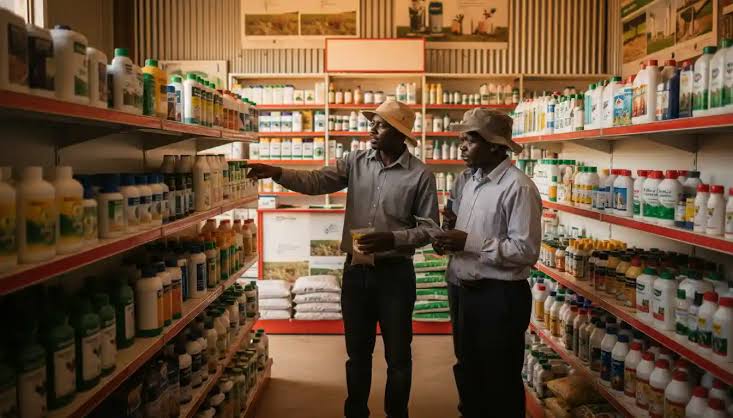
Farmers comparing farm inputs in Nairobi should first define the job: crop establishment, nutrition, weed control, pest management, disease management, spraying, irrigation or general field work. An agrovet in Nairobi may carry many product types, but a large catalogue only helps when the farmer can narrow the requirement correctly.
Crop Production Inputs
Dawn Farmers’ crop production category brings together crop production inputs in Kenya such as insecticides, fungicides, herbicides, seeds, fertilizers and other products. When comparing agricultural supplies in Nairobi, read the product label or specification instead of assuming similar names mean the same formulation or use.
Seeds Fertilizers and Farm Tools
Browse seeds, fertilizers and farm tools and equipment by the job they need to perform. Different farm products in Kenya should be compared by variety, nutrient analysis, capacity, size or other relevant specifications.
Compare Value Not Just the Lowest Price
When farmers search for affordable farm inputs in Nairobi, the lowest pack price may not provide the best value. Fertilizers differ in nutrient concentration, crop-protection products differ in active ingredient and registration, and tools differ in capacity, serviceability and durability. The cost should be considered alongside suitability and expected use.
Check Stock Before Travelling
For agricultural products in Nairobi, stock and pack sizes can change. Call Dawn Farmers on +254 724 367 713 with the exact product and quantity before making a long trip. A clear enquiry helps a farm input supplier in Nairobi confirm availability faster.
Orders Outside Nairobi
Customers can also enquire about farm inputs delivery in Kenya. Provide the destination, product name, pack size and quantity so delivery and handling can be considered. Farmers comparing farm input suppliers in Kenya should also check product identity, communication, availability and after-sale guidance rather than price alone.
Browse Dawn Farmers Before You Enquire
The Dawn Farmers shop allows customers to shortlist farm supplies for sale before calling. This makes it easier to discuss exact products and current prices instead of starting from a vague request.
Buying checklist: write down the crop or farm task, product name where known, pack size, quantity and location. That small preparation makes a farm-input enquiry much more accurate.
About the product and variety information used here: The best farm-input purchase is not simply the cheapest pack. Product identity, suitability, label information, pack size, supplier traceability, current stock, storage condition and delivery requirements all affect value.
Start With the Farm Problem Not the Shop Shelf
Buying farm inputs should begin with a clear production need: seed for a particular environment, fertilizer for a crop stage, crop protection for a diagnosed problem or equipment for a defined task. A vague request such as ‘give me the strongest pesticide’ or ‘which fertilizer is best’ makes it harder to choose correctly.
Useful buying information includes the crop, stage, location, problem, quantity needed and how the product will be used. This turns the purchase from guesswork into a production decision.
The farm-level value of start With the Farm Problem Not the Shop Shelf comes from consistency in buying farm inputs in Nairobi and Kenya. One well-managed operation supports the next: uniform establishment improves scouting, good scouting improves timing, and accurate timing makes every later input easier to justify. Small variations in depth, plant population, operator technique or field condition can become large yield differences when they are repeated over a whole field. Use a simple checklist before the operation begins, observe the result afterwards, and record anything unusual so the next season is based on evidence rather than memory.
When applying the lesson from start With the Farm Problem Not the Shop Shelf to buying farm inputs in Nairobi and Kenya, separate what can be controlled from what cannot. Weather will change, but the farm can still control preparation, timing, input identity, equipment condition and record keeping. When conditions move away from the original plan, adjust the operation through agronomic reasoning instead of adding more product automatically. This approach keeps the decision resilient because it remains linked to the actual field rather than to a rigid recipe.
Before committing money or labour to start With the Farm Problem Not the Shop Shelf, ask what information would make the decision less uncertain for buying farm inputs in Nairobi and Kenya. It may be a soil test, a seed label, a pest count, a calibration measurement, a weather forecast, a market order or a current price. Collecting that information before spending money usually costs less than correcting the consequences of a poorly matched input. This habit is one of the clearest differences between reactive farming and deliberate farm management.
When farmers compare farm inputs for sale in Nairobi Kenya, the buying decision should follow suitability, current label or variety information, pack size, supplier traceability and the total farm requirement rather than price alone. This keeps the purchase connected to buying farm inputs in Nairobi and Kenya and reduces the risk of buying an input that does not fit the production plan.
Understand the Main Farm-Input Categories
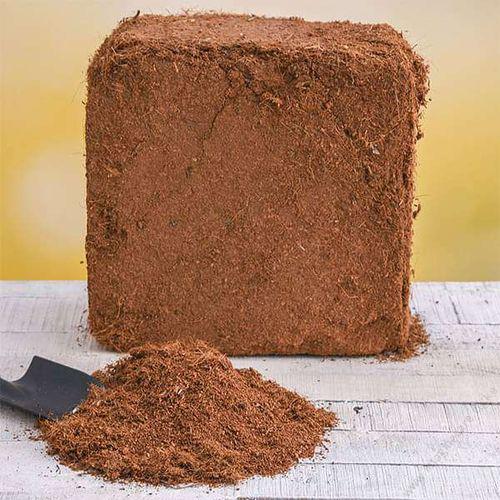
Farm inputs cover very different product groups including seed, fertilizer, crop-protection products, planting media, irrigation accessories, sprayers and hand tools. Each category has a different way of judging quality and suitability.
For seed, variety identity and adaptation matter; for fertilizer, nutrient analysis matters; for pesticides, active ingredient and label matter; for equipment, specifications and serviceability matter. Price comparisons should therefore be made within the correct product category.
How to Apply Understand the Main Farm-Input Categories on the Farm
The farm-level value of understand the Main Farm-Input Categories comes from consistency in buying farm inputs in Nairobi and Kenya. One well-managed operation supports the next: uniform establishment improves scouting, good scouting improves timing, and accurate timing makes every later input easier to justify. Small variations in depth, plant population, operator technique or field condition can become large yield differences when they are repeated over a whole field. Use a simple checklist before the operation begins, observe the result afterwards, and record anything unusual so the next season is based on evidence rather than memory.
For a commercial grower managing buying farm inputs in Nairobi and Kenya, understand the Main Farm-Input Categories is also a cost-control point. Every pass through the field uses labour, fuel or carrying effort and may expose the crop to additional risk. An operation should therefore have a clear objective and a way to judge whether it worked. Record the date, field or block, input or equipment used and any observation that explains the result. Over time, those records show which practices are worth repeating.
Buying Seed With the Farm Environment in Mind
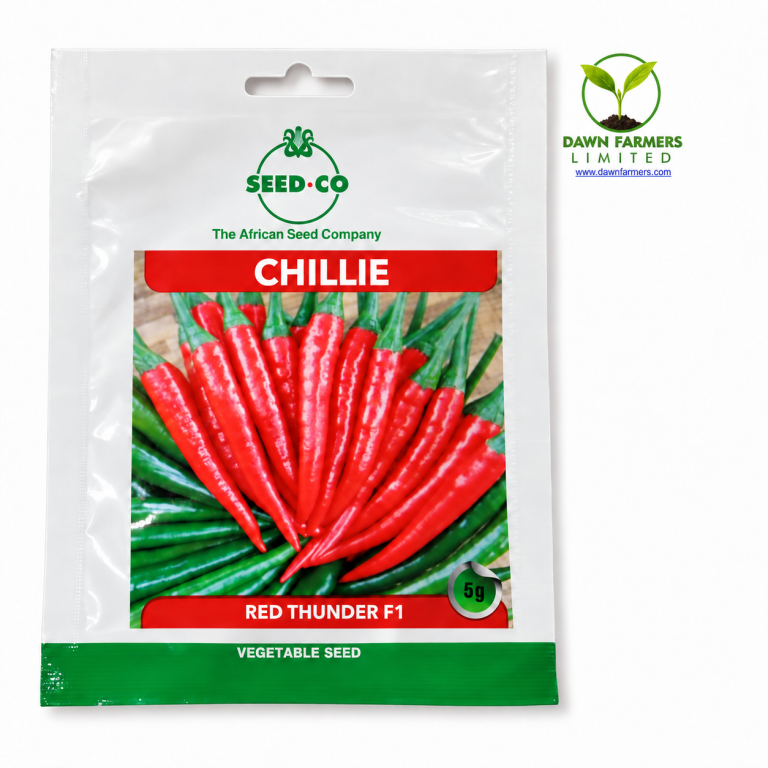
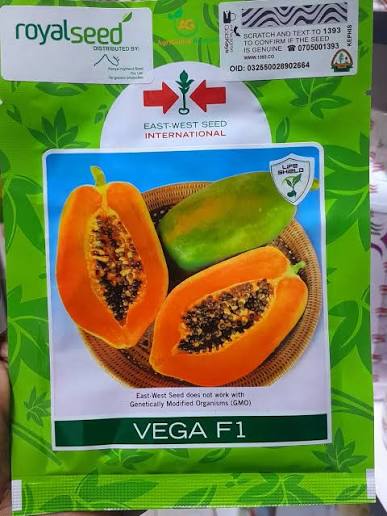
For a practical catalogue example, Dawn Farmers lists DK777 Hybrid Maize 2Kg. The useful buying question is not whether the seed is popular, but whether its current variety information fits the intended farm and season.
Seed choice should match altitude, rainfall, season length, market and management level. Hybrid seed is not automatically suitable everywhere simply because it has high yield potential.
Check variety information, pack condition, lot details and supplier traceability. Buying the right variety is more important than saving a small amount on a seed pack that does not fit the farm.
For buying farm inputs in Nairobi and Kenya, the decision around buying Seed With the Farm Environment in Mind is strongest when the farmer can explain exactly what is being purchased and why. That means comparing specification or label information, the quantity required, storage or handling needs, and the cost of getting the input to the farm. A lower shelf price can be poor value when the wrong product is bought, while a higher-priced option is not automatically better simply because it carries a recognised brand. Keep the production objective in front of the buying decision and ask for the exact item, formulation, variety or specification rather than accepting a vague substitute.
A common mistake around buying Seed With the Farm Environment in Mind is to respond to one disappointing symptom by changing several things at once. That makes it difficult to know which change helped and can create hidden interactions. Where possible, correct the most likely limiting factor first, observe buying farm inputs in Nairobi and Kenya, and keep other management stable. This is especially important when fertilizers or pesticides are involved, because unnecessary combinations increase cost and may create crop-safety or compatibility problems.
Before committing money or labour to buying Seed With the Farm Environment in Mind, ask what information would make the decision less uncertain for buying farm inputs in Nairobi and Kenya. It may be a soil test, a seed label, a pest count, a calibration measurement, a weather forecast, a market order or a current price. Collecting that information before spending money usually costs less than correcting the consequences of a poorly matched input. This habit is one of the clearest differences between reactive farming and deliberate farm management.
Farmers researching farm inputs in Nairobi should connect the phrase to practical management: what the crop needs, what the field can supply, what the current label or variety information says and what outcome will be measured afterwards.
Buying Fertilizer by Nutrient Analysis
Products such as Yara DAP illustrate why fertilizer should be compared by nutrient analysis and crop purpose rather than by bag colour or brand familiarity.
Fertilizer bags can have similar sizes but very different nutrient content. Compare NPK grade, secondary nutrients, micronutrients, formulation and application route.
A lower-priced bag may supply less of the nutrient the crop needs, while a premium product may include nutrients that are unnecessary for that field. Soil testing and crop stage make fertilizer buying more precise.
For buying farm inputs in Nairobi and Kenya, the decision around buying Fertilizer by Nutrient Analysis is strongest when the farmer can explain exactly what is being purchased and why. That means comparing specification or label information, the quantity required, storage or handling needs, and the cost of getting the input to the farm. A lower shelf price can be poor value when the wrong product is bought, while a higher-priced option is not automatically better simply because it carries a recognised brand. Keep the production objective in front of the buying decision and ask for the exact item, formulation, variety or specification rather than accepting a vague substitute.
The scale of buying Fertilizer by Nutrient Analysis matters in buying farm inputs in Nairobi and Kenya. A decision that seems minor on a few plants can become expensive over several acres. Before applying it across the whole farm, confirm that the method, product or variety fits the field and that workers understand the procedure. Small trial areas, calibration checks and written instructions can prevent a repeated error from affecting an entire crop.
In practice, agrovet in Nairobi should not be treated as a stand-alone promise. Its value depends on how well the product, variety or method fits buying farm inputs in Nairobi and Kenya under the actual conditions on the farm.
Buying Crop-Protection Products Responsibly
Dawn Farmers lists individual crop-protection products such as Chess 50WG. A product page can help identify the item, but the current label must still be checked against the crop, target pest and intended use before purchase.
Insecticides, fungicides and herbicides should be selected only after the target pest, disease or weed is identified. Read active ingredient, formulation, approved crops, target organisms and safety information.
Do not buy a pesticide merely because another farmer says it is powerful. The current product label is the basis for dose, timing, PPE, pre-harvest intervals and other restrictions.
How to Apply Buying Crop-Protection Products Responsibly on the Farm
For buying farm inputs in Nairobi and Kenya, the decision around buying Crop-Protection Products Responsibly is strongest when the farmer can explain exactly what is being purchased and why. That means comparing specification or label information, the quantity required, storage or handling needs, and the cost of getting the input to the farm. A lower shelf price can be poor value when the wrong product is bought, while a higher-priced option is not automatically better simply because it carries a recognised brand. Keep the production objective in front of the buying decision and ask for the exact item, formulation, variety or specification rather than accepting a vague substitute.
Good decisions about buying Crop-Protection Products Responsibly also leave room for local knowledge. Soil type, altitude, water quality, pest pressure and market conditions vary across Kenya, so general guidance should be refined with current local recommendations and product information. Use this principle with buying farm inputs in Nairobi and Kenya: understand the agronomy first, then adapt the details to the farm rather than copying a programme from a different production environment.
Before committing money or labour to buying Crop-Protection Products Responsibly, ask what information would make the decision less uncertain for buying farm inputs in Nairobi and Kenya. It may be a soil test, a seed label, a pest count, a calibration measurement, a weather forecast, a market order or a current price. Collecting that information before spending money usually costs less than correcting the consequences of a poorly matched input. This habit is one of the clearest differences between reactive farming and deliberate farm management.
Check Product Registration and Label Information
Agricultural chemicals should have clear manufacturer, active ingredient, concentration, formulation and registration information where required. A damaged or incomplete label makes correct use difficult.
Do not accept products transferred into unlabelled containers. Traceability protects both the farmer and the supplier if a quality or safety concern arises.
For buying farm inputs in Nairobi and Kenya, check Product Registration and Label Information should always be connected to diagnosis and application quality. The farmer should be able to name the crop, target problem, crop stage and the reason treatment is justified before opening a pesticide container. Then the current label determines whether the product is registered for that use, how it is mixed and applied, what protective equipment is required, and what restrictions apply before harvest or worker re-entry. Changing dose, shortening intervals or adding unlisted tank-mix partners because control looks weak can create more problems than it solves. Review diagnosis, coverage, timing and resistance management first.
Connect check Product Registration and Label Information to the next decision in the buying farm inputs in Nairobi and Kenya season. If establishment is uneven, later fertilizer and spray calculations may need to account for a lower plant population. If a pest treatment is delayed, scouting frequency may need to increase. If water is limiting, nutrient uptake may change. Thinking in sequences turns this step into part of a complete crop-management system instead of an isolated task.
A useful way to evaluate agricultural supplies in Nairobi is to ask what changes in the field if this decision is correct. The answer should be observable through establishment, crop health, application quality, harvest or cost records rather than through marketing language alone.
Inspect Pack Integrity Before Payment
Look for intact seals, clear printing, correct net weight and packaging that has not been wet, torn or resealed. For liquid products, check for leaks, swelling, severe separation or damage to the cap.
For seed and fertilizer, moisture damage can reduce quality or make the product difficult to use. Keep the receipt and packaging until the product has been used successfully.
For buying farm inputs in Nairobi and Kenya, the decision around inspect Pack Integrity Before Payment is strongest when the farmer can explain exactly what is being purchased and why. That means comparing specification or label information, the quantity required, storage or handling needs, and the cost of getting the input to the farm. A lower shelf price can be poor value when the wrong product is bought, while a higher-priced option is not automatically better simply because it carries a recognised brand. Keep the production objective in front of the buying decision and ask for the exact item, formulation, variety or specification rather than accepting a vague substitute.
After completing the work around inspect Pack Integrity Before Payment, set one or two observations to check in buying farm inputs in Nairobi and Kenya. These might include emergence uniformity, crop colour, weed escape, pest numbers, nozzle output, fruit quality or marketable harvest depending on the stage. Without a follow-up observation, it is easy to repeat a costly practice simply because it has always been done that way.
Before committing money or labour to inspect Pack Integrity Before Payment, ask what information would make the decision less uncertain for buying farm inputs in Nairobi and Kenya. It may be a soil test, a seed label, a pest count, a calibration measurement, a weather forecast, a market order or a current price. Collecting that information before spending money usually costs less than correcting the consequences of a poorly matched input. This habit is one of the clearest differences between reactive farming and deliberate farm management.
Compare Price With Pack Size and Concentration
A price is meaningful only when the pack size and product concentration are known. Two insecticides in one-litre bottles may contain different active-ingredient concentrations and have different labelled rates.
Two fertilizers in equal-weight bags may supply different amounts of nutrient. Calculate value from the product’s actual role rather than choosing the lowest number on a price list.
How to Apply Compare Price With Pack Size and Concentration on the Farm
For buying farm inputs in Nairobi and Kenya, the decision around compare Price With Pack Size and Concentration is strongest when the farmer can explain exactly what is being purchased and why. That means comparing specification or label information, the quantity required, storage or handling needs, and the cost of getting the input to the farm. A lower shelf price can be poor value when the wrong product is bought, while a higher-priced option is not automatically better simply because it carries a recognised brand. Keep the production objective in front of the buying decision and ask for the exact item, formulation, variety or specification rather than accepting a vague substitute.
If advice about compare Price With Pack Size and Concentration from a supplier, neighbour and agronomist differs, compare each recommendation against current label or variety information and the conditions in the field. The most persuasive recommendation for buying farm inputs in Nairobi and Kenya is the one that explains why it fits the crop, stage and problem. That standard reduces dependence on brand reputation or hearsay.
The idea behind farm products in Kenya becomes most useful when it is applied to a real field decision. For buying farm inputs in Nairobi and Kenya, compare the farm conditions, stage of production and evidence from scouting or records before changing the programme.
Current Stock Matters
Agricultural products move in and out of stock as seasons change and suppliers receive new consignments. If travelling to Nairobi for a specific brand, variety or pack size, confirm availability before leaving.
For commercial orders, ask whether the full quantity is available from the same lot where consistency matters. A stock check also gives the supplier a chance to suggest a labelled alternative if the exact product is unavailable.
The farm-level value of current Stock Matters comes from consistency in buying farm inputs in Nairobi and Kenya. One well-managed operation supports the next: uniform establishment improves scouting, good scouting improves timing, and accurate timing makes every later input easier to justify. Small variations in depth, plant population, operator technique or field condition can become large yield differences when they are repeated over a whole field. Use a simple checklist before the operation begins, observe the result afterwards, and record anything unusual so the next season is based on evidence rather than memory.
When applying the lesson from current Stock Matters to buying farm inputs in Nairobi and Kenya, separate what can be controlled from what cannot. Weather will change, but the farm can still control preparation, timing, input identity, equipment condition and record keeping. When conditions move away from the original plan, adjust the operation through agronomic reasoning instead of adding more product automatically. This approach keeps the decision resilient because it remains linked to the actual field rather than to a rigid recipe.
Before committing money or labour to current Stock Matters, ask what information would make the decision less uncertain for buying farm inputs in Nairobi and Kenya. It may be a soil test, a seed label, a pest count, a calibration measurement, a weather forecast, a market order or a current price. Collecting that information before spending money usually costs less than correcting the consequences of a poorly matched input. This habit is one of the clearest differences between reactive farming and deliberate farm management.
Farmers researching crop production inputs in Kenya should connect the phrase to practical management: what the crop needs, what the field can supply, what the current label or variety information says and what outcome will be measured afterwards.
Bulk Orders Need Better Planning
Buying in bulk can reduce repeated transport and sometimes improve pricing, but it also increases storage responsibility. Estimate the quantity from planted area, labelled rates and actual seasonal need instead of buying excess stock because a discount is available.
Confirm shelf life, storage conditions and delivery arrangements. Money tied up in unused inputs cannot be used for labour, irrigation or other farm needs.
For buying farm inputs in Nairobi and Kenya, the decision around bulk Orders Need Better Planning is strongest when the farmer can explain exactly what is being purchased and why. That means comparing specification or label information, the quantity required, storage or handling needs, and the cost of getting the input to the farm. A lower shelf price can be poor value when the wrong product is bought, while a higher-priced option is not automatically better simply because it carries a recognised brand. Keep the production objective in front of the buying decision and ask for the exact item, formulation, variety or specification rather than accepting a vague substitute.
For a commercial grower managing buying farm inputs in Nairobi and Kenya, bulk Orders Need Better Planning is also a cost-control point. Every pass through the field uses labour, fuel or carrying effort and may expose the crop to additional risk. An operation should therefore have a clear objective and a way to judge whether it worked. Record the date, field or block, input or equipment used and any observation that explains the result. Over time, those records show which practices are worth repeating.
Delivery Across Kenya
Delivery should protect agricultural products from heat, moisture, crushing, leaks and contamination. Pesticides should be transported separately from food and personal items according to safety requirements.
Seed should remain dry and protected from excessive heat. Before dispatch, confirm destination, contact person, quantity and how any damaged parcel will be handled.
How to Apply Delivery Across Kenya on the Farm
The farm-level value of delivery Across Kenya comes from consistency in buying farm inputs in Nairobi and Kenya. One well-managed operation supports the next: uniform establishment improves scouting, good scouting improves timing, and accurate timing makes every later input easier to justify. Small variations in depth, plant population, operator technique or field condition can become large yield differences when they are repeated over a whole field. Use a simple checklist before the operation begins, observe the result afterwards, and record anything unusual so the next season is based on evidence rather than memory.
A common mistake around delivery Across Kenya is to respond to one disappointing symptom by changing several things at once. That makes it difficult to know which change helped and can create hidden interactions. Where possible, correct the most likely limiting factor first, observe buying farm inputs in Nairobi and Kenya, and keep other management stable. This is especially important when fertilizers or pesticides are involved, because unnecessary combinations increase cost and may create crop-safety or compatibility problems.
Before committing money or labour to delivery Across Kenya, ask what information would make the decision less uncertain for buying farm inputs in Nairobi and Kenya. It may be a soil test, a seed label, a pest count, a calibration measurement, a weather forecast, a market order or a current price. Collecting that information before spending money usually costs less than correcting the consequences of a poorly matched input. This habit is one of the clearest differences between reactive farming and deliberate farm management.
In practice, farm inputs delivery in Kenya should not be treated as a stand-alone promise. Its value depends on how well the product, variety or method fits buying farm inputs in Nairobi and Kenya under the actual conditions on the farm.
Buy Sprayers for the Intended Workload
For equipment comparison, the catalogue includes the Jacto HD knapsack sprayer among its options. The model should be evaluated by capacity, comfort, parts and workload rather than selected by brand name alone.
A sprayer used occasionally on a small vegetable plot has different workload requirements from one used regularly on a commercial farm. Compare tank capacity, pump design, nozzle options, harness comfort, durability and spare-part availability.
A cheaper sprayer that leaks or cannot be repaired can cost more over time. Calibration and maintenance should be part of the purchase plan.
For buying farm inputs in Nairobi and Kenya, the decision around buy Sprayers for the Intended Workload is strongest when the farmer can explain exactly what is being purchased and why. That means comparing specification or label information, the quantity required, storage or handling needs, and the cost of getting the input to the farm. A lower shelf price can be poor value when the wrong product is bought, while a higher-priced option is not automatically better simply because it carries a recognised brand. Keep the production objective in front of the buying decision and ask for the exact item, formulation, variety or specification rather than accepting a vague substitute.
The scale of buy Sprayers for the Intended Workload matters in buying farm inputs in Nairobi and Kenya. A decision that seems minor on a few plants can become expensive over several acres. Before applying it across the whole farm, confirm that the method, product or variety fits the field and that workers understand the procedure. Small trial areas, calibration checks and written instructions can prevent a repeated error from affecting an entire crop.
When farmers compare farm supplies for sale, the buying decision should follow suitability, current label or variety information, pack size, supplier traceability and the total farm requirement rather than price alone. This keeps the purchase connected to buying farm inputs in Nairobi and Kenya and reduces the risk of buying an input that does not fit the production plan.
Farm Tools and Ergonomics
Hand tools should fit the task, soil condition and operator. Handle length, grip, balance, steel quality and replacement parts influence productivity and fatigue.
A tool that is too heavy or poorly balanced can slow work even if it appears durable. Consider lifetime use rather than choosing only by purchase price.
The farm-level value of farm Tools and Ergonomics comes from consistency in buying farm inputs in Nairobi and Kenya. One well-managed operation supports the next: uniform establishment improves scouting, good scouting improves timing, and accurate timing makes every later input easier to justify. Small variations in depth, plant population, operator technique or field condition can become large yield differences when they are repeated over a whole field. Use a simple checklist before the operation begins, observe the result afterwards, and record anything unusual so the next season is based on evidence rather than memory.
Good decisions about farm Tools and Ergonomics also leave room for local knowledge. Soil type, altitude, water quality, pest pressure and market conditions vary across Kenya, so general guidance should be refined with current local recommendations and product information. Use this principle with buying farm inputs in Nairobi and Kenya: understand the agronomy first, then adapt the details to the farm rather than copying a programme from a different production environment.
Before committing money or labour to farm Tools and Ergonomics, ask what information would make the decision less uncertain for buying farm inputs in Nairobi and Kenya. It may be a soil test, a seed label, a pest count, a calibration measurement, a weather forecast, a market order or a current price. Collecting that information before spending money usually costs less than correcting the consequences of a poorly matched input. This habit is one of the clearest differences between reactive farming and deliberate farm management.
Irrigation Fittings Must Match the System
Irrigation accessories are highly specification-dependent. Pipe size, thread type, pressure rating, connector type and material must match the existing system.
A fitting that looks similar may still leak or fail under pressure. Carry a sample, photograph or exact specification when buying replacement irrigation parts.
How to Apply Irrigation Fittings Must Match the System on the Farm
For buying farm inputs in Nairobi and Kenya, irrigation Fittings Must Match the System should be treated as a root-zone decision rather than a fixed calendar. Soil texture, rooting depth, crop size, weather and drainage all change how quickly water becomes limiting. Both shortage and excess can reduce nutrient uptake and make pest or disease symptoms harder to interpret. Check the soil as well as the leaves, and adjust irrigation or moisture-conservation practices before assuming every stress symptom requires another chemical or fertilizer input. Where irrigation is used, uniform delivery across the field is as important as total water applied.
Connect irrigation Fittings Must Match the System to the next decision in the buying farm inputs in Nairobi and Kenya season. If establishment is uneven, later fertilizer and spray calculations may need to account for a lower plant population. If a pest treatment is delayed, scouting frequency may need to increase. If water is limiting, nutrient uptake may change. Thinking in sequences turns this step into part of a complete crop-management system instead of an isolated task.
The idea behind agricultural products in Nairobi becomes most useful when it is applied to a real field decision. For buying farm inputs in Nairobi and Kenya, compare the farm conditions, stage of production and evidence from scouting or records before changing the programme.
Avoid Buying a Complete Spray Programme in One Conversation
Farmers sometimes ask for all pesticides needed for a season before the crop is even established. Some planning is useful, but pest and disease pressure changes with weather and field conditions.
Buying products without a diagnosed need can lead to unnecessary applications and expired stock. Keep core equipment and known inputs ready, but use scouting to guide crop-protection purchases.
For buying farm inputs in Nairobi and Kenya, the decision around avoid Buying a Complete Spray Programme in One Conversation is strongest when the farmer can explain exactly what is being purchased and why. That means comparing specification or label information, the quantity required, storage or handling needs, and the cost of getting the input to the farm. A lower shelf price can be poor value when the wrong product is bought, while a higher-priced option is not automatically better simply because it carries a recognised brand. Keep the production objective in front of the buying decision and ask for the exact item, formulation, variety or specification rather than accepting a vague substitute.
After completing the work around avoid Buying a Complete Spray Programme in One Conversation, set one or two observations to check in buying farm inputs in Nairobi and Kenya. These might include emergence uniformity, crop colour, weed escape, pest numbers, nozzle output, fruit quality or marketable harvest depending on the stage. Without a follow-up observation, it is easy to repeat a costly practice simply because it has always been done that way.
Before committing money or labour to avoid Buying a Complete Spray Programme in One Conversation, ask what information would make the decision less uncertain for buying farm inputs in Nairobi and Kenya. It may be a soil test, a seed label, a pest count, a calibration measurement, a weather forecast, a market order or a current price. Collecting that information before spending money usually costs less than correcting the consequences of a poorly matched input. This habit is one of the clearest differences between reactive farming and deliberate farm management.
Build a Seasonal Farm-Input Budget
Separate seed, fertilizer, crop protection, labour, irrigation, equipment and transport in the budget. This makes it easier to see whether too much money is being spent in one area while another essential operation is underfunded.
Include contingency for unexpected pest pressure or repairs. A budget is most useful when it is updated with actual prices and quantities as the season progresses.
The farm-level value of build a Seasonal Farm-Input Budget comes from consistency in buying farm inputs in Nairobi and Kenya. One well-managed operation supports the next: uniform establishment improves scouting, good scouting improves timing, and accurate timing makes every later input easier to justify. Small variations in depth, plant population, operator technique or field condition can become large yield differences when they are repeated over a whole field. Use a simple checklist before the operation begins, observe the result afterwards, and record anything unusual so the next season is based on evidence rather than memory.
If advice about build a Seasonal Farm-Input Budget from a supplier, neighbour and agronomist differs, compare each recommendation against current label or variety information and the conditions in the field. The most persuasive recommendation for buying farm inputs in Nairobi and Kenya is the one that explains why it fits the crop, stage and problem. That standard reduces dependence on brand reputation or hearsay.
Farmers researching affordable farm inputs in Nairobi should connect the phrase to practical management: what the crop needs, what the field can supply, what the current label or variety information says and what outcome will be measured afterwards.
Use the Dawn Farmers Catalogue as a Comparison Tool
Dawn Farmers groups products into crop production, seeds and fertilizers, farm tools and equipment and related subcategories. Browsing by category can help a farmer compare products before contacting the shop.
Specific product pages provide names and available catalogue details, while final suitability should still be confirmed from labels and current stock. This is more useful than arriving with only a general request for farm chemicals.
How to Apply Use the Dawn Farmers Catalogue as a Comparison Tool on the Farm
The farm-level value of use the Dawn Farmers Catalogue as a Comparison Tool comes from consistency in buying farm inputs in Nairobi and Kenya. One well-managed operation supports the next: uniform establishment improves scouting, good scouting improves timing, and accurate timing makes every later input easier to justify. Small variations in depth, plant population, operator technique or field condition can become large yield differences when they are repeated over a whole field. Use a simple checklist before the operation begins, observe the result afterwards, and record anything unusual so the next season is based on evidence rather than memory.
When applying the lesson from use the Dawn Farmers Catalogue as a Comparison Tool to buying farm inputs in Nairobi and Kenya, separate what can be controlled from what cannot. Weather will change, but the farm can still control preparation, timing, input identity, equipment condition and record keeping. When conditions move away from the original plan, adjust the operation through agronomic reasoning instead of adding more product automatically. This approach keeps the decision resilient because it remains linked to the actual field rather than to a rigid recipe.
Before committing money or labour to use the Dawn Farmers Catalogue as a Comparison Tool, ask what information would make the decision less uncertain for buying farm inputs in Nairobi and Kenya. It may be a soil test, a seed label, a pest count, a calibration measurement, a weather forecast, a market order or a current price. Collecting that information before spending money usually costs less than correcting the consequences of a poorly matched input. This habit is one of the clearest differences between reactive farming and deliberate farm management.
A farmer looking for a farm input supplier in Nairobi should check traceability, current stock, product identity, storage condition and the accuracy of technical information supplied. For buying farm inputs in Nairobi and Kenya, a reliable source is valuable because the farmer can confirm exactly what is being purchased before it reaches the field.
What to Ask Before You Leave the Shop
Confirm the exact product, pack size, quantity, current price and whether the label matches the intended use. Ask about storage and handling if the product will not be used immediately.
For equipment, ask about spare parts and warranty or service support where available. For delivery, confirm contact details and what will happen if the package arrives damaged.
The farm-level value of what to Ask Before You Leave the Shop comes from consistency in buying farm inputs in Nairobi and Kenya. One well-managed operation supports the next: uniform establishment improves scouting, good scouting improves timing, and accurate timing makes every later input easier to justify. Small variations in depth, plant population, operator technique or field condition can become large yield differences when they are repeated over a whole field. Use a simple checklist before the operation begins, observe the result afterwards, and record anything unusual so the next season is based on evidence rather than memory.
For a commercial grower managing buying farm inputs in Nairobi and Kenya, what to Ask Before You Leave the Shop is also a cost-control point. Every pass through the field uses labour, fuel or carrying effort and may expose the crop to additional risk. An operation should therefore have a clear objective and a way to judge whether it worked. Record the date, field or block, input or equipment used and any observation that explains the result. Over time, those records show which practices are worth repeating.
A Practical Buying Checklist
Know the crop or task, confirm product identity, inspect the pack, read the label and compare price by value. Buy from a traceable supplier and keep receipts.
Do not buy more pesticide than the farm can store and use safely. Plan delivery, storage and application equipment at the same time as the purchase.
For buying farm inputs in Nairobi and Kenya, the decision around a Practical Buying Checklist is strongest when the farmer can explain exactly what is being purchased and why. That means comparing specification or label information, the quantity required, storage or handling needs, and the cost of getting the input to the farm. A lower shelf price can be poor value when the wrong product is bought, while a higher-priced option is not automatically better simply because it carries a recognised brand. Keep the production objective in front of the buying decision and ask for the exact item, formulation, variety or specification rather than accepting a vague substitute.
A common mistake around a Practical Buying Checklist is to respond to one disappointing symptom by changing several things at once. That makes it difficult to know which change helped and can create hidden interactions. Where possible, correct the most likely limiting factor first, observe buying farm inputs in Nairobi and Kenya, and keep other management stable. This is especially important when fertilizers or pesticides are involved, because unnecessary combinations increase cost and may create crop-safety or compatibility problems.
Before committing money or labour to a Practical Buying Checklist, ask what information would make the decision less uncertain for buying farm inputs in Nairobi and Kenya. It may be a soil test, a seed label, a pest count, a calibration measurement, a weather forecast, a market order or a current price. Collecting that information before spending money usually costs less than correcting the consequences of a poorly matched input. This habit is one of the clearest differences between reactive farming and deliberate farm management.
A farmer looking for a farm input suppliers in Kenya should check traceability, current stock, product identity, storage condition and the accuracy of technical information supplied. For buying farm inputs in Nairobi and Kenya, a reliable source is valuable because the farmer can confirm exactly what is being purchased before it reaches the field.
Before making a large farm-input order, it is useful to compare Agrochemicals for Sale in Nairobi Kenya Guide to Choosing Crop Protection Products, Fertilizers for Sale in Nairobi Kenya and Maize Seeds for Sale in Kenya for connected planning and buying decisions.
Frequently Asked Questions
Where is Dawn Farmers located in Nairobi?
Dawn Farmers Limited is in Nairobi CBD along Haile Sellasie Avenue, Mang Building, next to Bus Station.
Can I confirm farm input prices before visiting?
Yes. Call +254 724 367 713 with the exact product, pack size and quantity to confirm current price and stock.
Does Dawn Farmers sell seeds and fertilizers?
Yes. The catalogue includes crop seeds, granular fertilizers, foliar fertilizers and other crop-nutrition options.
Can I buy crop protection products in Nairobi?
Yes. Dawn Farmers has insecticide, fungicide, herbicide and other crop-protection categories.
Does Dawn Farmers deliver outside Nairobi?
Customers can enquire about delivery arrangements to other parts of Kenya depending on product, quantity and destination.
Can farmers make bulk orders?
Yes. Provide the exact product names, pack sizes and quantities so stock and pricing can be checked.
What information should I give a farm-input supplier?
Provide the crop or task, product name if known, pack size, quantity, farm location and the problem or production stage you are addressing.
Should I buy farm inputs in bulk to save money?
Only when the quantity is genuinely needed and can be stored safely. Bulk discounts can become expensive if products expire, deteriorate or remain unused.
How do I compare farm-input prices fairly?
Compare the same product specification, pack size, concentration or nutrient analysis and include delivery or transport costs.
Why should I confirm stock before travelling?
Specific seed varieties, pesticide formulations and pack sizes can move in and out of stock, so confirmation can prevent unnecessary travel.
What should I inspect when buying agricultural products?
Check labels, seals, pack condition, product identity, manufacturer information and any relevant lot or registration details.
Can Dawn Farmers arrange delivery outside Nairobi?
Customers can enquire about delivery to other parts of Kenya. Delivery depends on product type, quantity, destination and handling requirements.
Looking for Farm Inputs in Nairobi?
Use the guide above to narrow the requirement, then browse the Dawn Farmers shop. For current stock, pack sizes and prices, contact Dawn Farmers Limited on +254 724 367 713.