What Is a Treated Cocopeat Block?
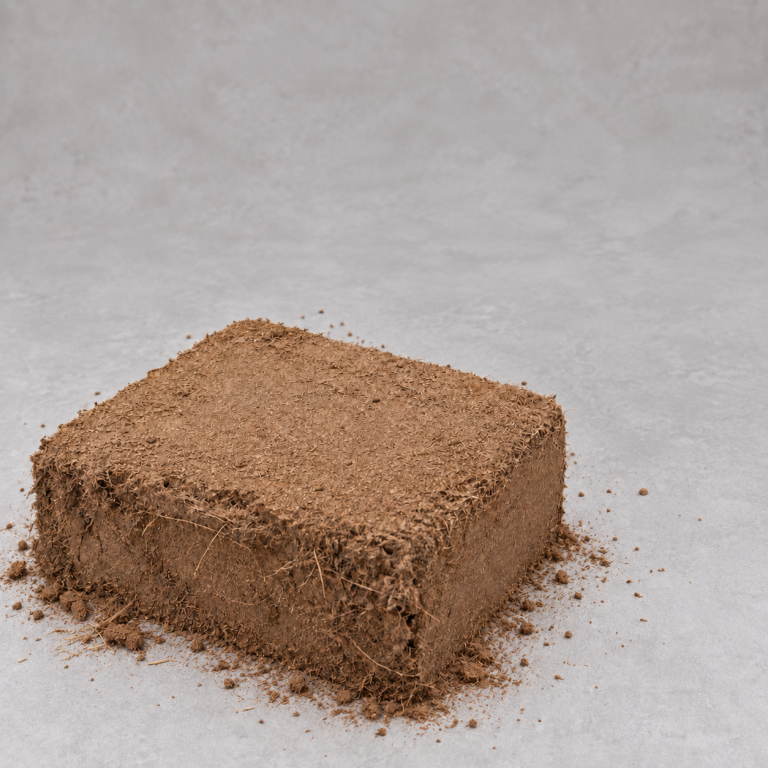
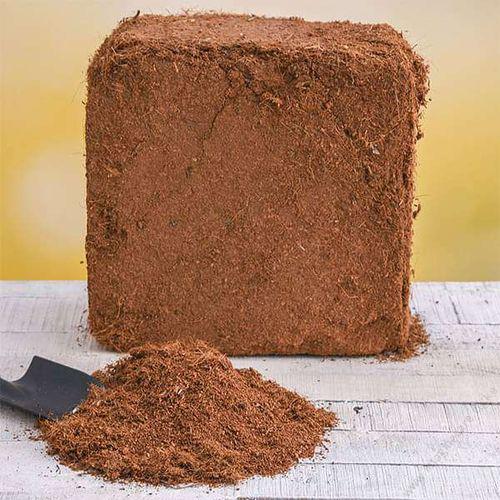
Cocopeat, also known as coconut coir pith or coco coir, is a fibrous growing material obtained during the processing of coconut husks. After processing, it is dried and compressed into compact blocks for easier transportation, storage and handling.
A treated cocopeat block is prepared to improve its suitability as a growing medium. Once hydrated, the compressed block loosens and produces a soft, lightweight material that can be placed in seedling trays, pots, growing bags, greenhouse beds and hydroponic containers.
Growers should still confirm the product label or supplier specifications for important properties such as pH, electrical conductivity and whether the material has been washed or buffered. These characteristics may vary between manufacturers.
Benefits of Using Treated Cocopeat as Planting Media
The physical structure of cocopeat makes it useful for professional nurseries and intensive crop-production systems. Its key advantages include:
1. Supports Consistent Moisture Management
Cocopeat can absorb and retain water around the crop’s root zone. Therefore, it helps reduce rapid drying in seedling trays and containers. Irrigation frequency must still be adjusted according to the crop, weather, container size and drainage.
2. Encourages Healthy Root Development
When correctly hydrated and managed, cocopeat provides a loose root-zone environment. This allows young roots to spread through the planting medium more easily than they would in compacted field soil.
3. Suitable for Seedling Nurseries
A uniform growing medium makes nursery management easier. Treated cocopeat can be used when raising vegetable, herb, flower, tree and fruit seedlings in propagation trays.
4. Lightweight and Convenient
Compressed blocks occupy less storage space than loose planting media. Furthermore, the hydrated material is relatively lightweight, making it convenient for rooftop gardens, balconies, vertical gardens and urban farming projects in Nairobi.
5. Useful in Soilless Production
Cocopeat can support crops grown in hydroponic and other soilless systems. Oklahoma State University Extension lists coconut coir among the substrates used to support roots in hydroponic production. Learn more from this guide to electrical conductivity and pH management in hydroponics.
6. Can Be Blended with Other Growing Materials
Depending on the crop and production system, cocopeat may be mixed with compost, soil, peat moss, perlite, vermiculite or another suitable aeration component. A balanced mix should retain sufficient moisture without remaining waterlogged.
7. Versatile for Commercial and Home Production
The same planting medium can be used in commercial seedling nurseries, kitchen gardens, ornamental nurseries, greenhouse units and indoor plant containers. Consequently, it is a practical product for both small-scale and large-scale Kenyan growers.
Uses of Cocopeat Planting Media in Kenya
A treated cocopeat block in Kenya can be used for several crop-production activities:
- Raising vegetable seedlings such as tomatoes, capsicum, cabbage, kale, onions, herbs and indigenous vegetables
- Filling nursery propagation trays
- Rooting appropriate plant cuttings
- Growing greenhouse crops in containers or bags
- Preparing potting mixtures for flowers and ornamental plants
- Establishing balcony, rooftop and kitchen gardens
- Supporting crops in suitable hydroponic or soilless systems
- Improving the moisture-holding ability of selected container mixtures
- Reducing reliance on heavy garden soil in pots and propagation containers
Why Nairobi Growers Choose Cocopeat
Space is often limited in Nairobi. As a result, many growers rely on pots, containers, balconies, rooftops, vertical gardens and compact greenhouse units. Cocopeat is useful in these situations because it is compressed for transport and becomes a lightweight planting medium after hydration.
It can be particularly valuable for:
- Urban kitchen gardens
- Seedling nurseries in Nairobi and neighbouring counties
- Greenhouses and shade-net units
- Landscaping and ornamental plant businesses
- Schools, hotels and institutional gardens
- Commercial vegetable propagation
How to Prepare and Use a Treated Cocopeat Block
- Select a clean container: Place the compressed block in a clean basin, wheelbarrow, drum or mixing area.
- Add clean water gradually: Pour water over the block in stages rather than flooding it all at once.
- Allow the block to expand: Give the material enough time to absorb water and loosen naturally.
- Break up compact sections: Use clean hands or a suitable tool to separate any remaining compressed lumps.
- Check the moisture level: The medium should feel evenly moist but should not release excessive water when squeezed.
- Drain excess water: If the medium becomes saturated, allow it to drain before use.
- Prepare the required mixture: Use the hydrated cocopeat alone in a properly managed system or blend it with other suitable materials.
- Fill the containers: Place the medium loosely in seedling trays, pots or growing bags. Avoid excessive compaction.
- Sow or transplant: Plant the seeds or seedlings at the appropriate depth for the crop.
Important: Follow the hydration and handling directions supplied with the particular cocopeat block. Expansion volume and water requirements can differ between products.
Suggested Cocopeat Mixing Ratios
The best formulation depends on the crop, irrigation system, container, climate and other materials available. The following ratios are practical starting points rather than fixed prescriptions:
| Application | Suggested Starting Mixture | Management Note |
|---|---|---|
| Seedling propagation | Cocopeat blended with a suitable aeration material | Use a fine, uniform and well-draining mixture. |
| General potting mix | 30–40% cocopeat, 30–40% mature compost and 20–30% soil or an aeration component | Adjust according to the crop and drainage of the container. |
| Heavy garden soil | 20–30% hydrated cocopeat incorporated into the container mixture | Do not assume cocopeat alone will correct severely compacted field soil. |
| Hydroponic production | Cocopeat alone or mixed with an appropriate aeration substrate | Manage nutrient solution, pH, EC, irrigation frequency and drainage carefully. |
| Succulents and drought-sensitive plants | A small proportion of cocopeat in a highly draining mixture | Avoid excessive moisture retention around the roots. |
First test a small batch of the mixture. Then observe its drainage and moisture retention before preparing large quantities for commercial planting.
Water and Nutrient Management in Cocopeat
Irrigation Management
Although cocopeat retains moisture, it must not remain continuously saturated. Overwatering can reduce air around the roots and encourage root-health problems. Therefore, use containers with adequate drainage holes and irrigate according to actual crop demand.
Check moisture below the surface instead of watering solely according to a fixed timetable. During cool or rainy conditions, the planting medium may dry more slowly. However, hot and windy conditions may increase irrigation requirements.
Nutrient Management
Cocopeat is primarily a physical growing medium and should not be treated as a complete fertilizer. Plants grown in cocopeat require nutrients from a balanced fertilizer programme, mature compost or a properly formulated hydroponic nutrient solution.
When raising seedlings, begin feeding at the crop-appropriate stage and use the correct concentration. Excess fertilizer can damage tender roots, while insufficient feeding may produce pale, weak seedlings.
Monitoring pH and Electrical Conductivity
Commercial nurseries and hydroponic growers should monitor the pH and electrical conductivity of their irrigation water, nutrient solution and root-zone drainage. These measurements help detect nutrient imbalance or salt accumulation before crop growth is seriously affected.
For more background on selecting growing-media ingredients, read the Oklahoma State University Extension guide on choosing suitable soilless media.
Common Cocopeat Mistakes to Avoid
- Overwatering: Cocopeat already holds moisture, so frequent irrigation without checking the root zone may create saturated conditions.
- Using containers without drainage: Every pot, tray or growing bag should allow excess water to escape.
- Assuming cocopeat supplies complete nutrition: A suitable crop-feeding programme is still required.
- Applying concentrated fertilizer to young seedlings: Tender roots may be damaged by excessive salts.
- Overcompacting the medium: Pressing the material too firmly can reduce useful pore spaces.
- Ignoring product specifications: Check whether the cocopeat is washed, treated or buffered and review the manufacturer’s directions.
- Using one mixture for every crop: Seedlings, ornamentals, succulents and hydroponic crops have different drainage and moisture requirements.
- Failing to monitor pH and EC: This is especially important in commercial nursery and soilless production.
Dawn Farmers Products to Use with Cocopeat
For effective propagation and crop establishment, combine cocopeat with the right nursery equipment and planting inputs. Useful products available from Dawn Farmers include:
- Treated Cocopeat Blocks 5 kg – the main compressed planting medium for nurseries, pots and soilless systems.
- Heavy-Duty 150-Cell Seedling Trays – suitable for organised and uniform nursery propagation.
- Oboya Peat Moss Substrate – an alternative or complementary professional nursery substrate.
- Rekyva Peat Moss 250 Litres – suitable for preparing professional growing-media formulations.
- Propagation Accessories – browse equipment for seedling raising and nursery operations.
- Crop Production and Planting Media – compare cocopeat and other growing substrates.
- Dawn Farmers Online Shop – explore seeds, fertilizers, crop-protection products, irrigation accessories and farm equipment.
Compatibility note: Always select fertilizers, seeds and crop-protection products according to the crop being grown. Follow product labels and seek agronomic advice where necessary.
Who Should Use Treated Cocopeat?
Treated cocopeat is suitable for:
- Commercial vegetable seedling nurseries
- Greenhouse tomato, capsicum and cucumber growers
- Hydroponic and soilless farming projects
- Flower and ornamental plant nurseries
- Fruit and tree-seedling propagators
- Landscaping businesses
- Urban farmers and home gardeners
- Schools, hotels and institutional gardens
- Farm-input dealers seeking reliable planting media
Where to Buy a Treated Cocopeat Block in Nairobi and Kenya
You can purchase a treated cocopeat block in Kenya from Dawn Farmers Limited. We serve professional farmers, nursery operators, landscapers, institutions and home gardeners in Nairobi and across the country.
Visit us at Mang Building along Haile Selassie Avenue, Nairobi, or contact our team for product availability, current prices and delivery arrangements.
Call or WhatsApp:
0713 064 228
Website:
www.dawnfarmers.com
Buy quality planting media from Dawn Farmers and give your seedlings a clean, manageable and consistent environment for strong establishment.
Frequently Asked Questions About Treated Cocopeat
Is cocopeat suitable for raising vegetable seedlings?
Yes. Properly prepared cocopeat is suitable for raising tomatoes, capsicum, cabbage, kale, onions, herbs and many other seedlings. The medium should have suitable drainage, moisture and nutrition for the crop.
Can I plant directly in cocopeat?
Yes, cocopeat can be used as the main substrate in a properly managed soilless system. However, it does not replace a complete fertilizer programme. The grower must supply suitable nutrients and manage irrigation, pH and electrical conductivity.
Does treated cocopeat contain fertilizer?
Not necessarily. The word “treated” does not automatically mean that complete plant nutrients have been added. Check the particular product label or ask the supplier for its specifications.
Can cocopeat be mixed with soil?
Yes. Hydrated cocopeat can be incorporated into container mixtures containing suitable soil, mature compost and other growing-media ingredients. Adjust the ratio according to the crop and the drainage characteristics of the mixture.
Is cocopeat good for hydroponics?
Yes. Cocopeat is used as a root-support substrate in suitable hydroponic and fertigation systems. Successful production requires careful control of the nutrient solution, irrigation frequency, pH, EC and drainage.
How much water should I add to a 5 kg cocopeat block?
The required water volume depends on the block’s compression, dryness and manufacturer specifications. Add clean water gradually until the block expands and becomes evenly moist. Avoid adding so much water that the material becomes waterlogged.
Can cocopeat be reused?
Reuse may be possible in some production systems. However, old roots, accumulated salts and plant pathogens must be considered. Avoid reusing media from diseased crops, and clean or process reusable material appropriately before planting another crop.
Where can I buy cocopeat in Nairobi?
Dawn Farmers Limited supplies treated cocopeat blocks from Mang Building along Haile Selassie Avenue in Nairobi. Customers can also enquire about delivery to other locations in Kenya by calling or messaging 0713 064 228.