Pawpaw Anthracnose Control in Kenya: Symptoms, Treatment and Prevention
Pawpaw anthracnose control in Kenya requires early action, good farm hygiene and timely fungicide sprays. The disease causes black, sunken spots and fruit rot. Moreover, it spreads quickly during warm, wet and humid weather.
Fortunately, farmers can reduce losses through regular crop checks and correct spraying. Dawn Farmers Ltd supplies genuine pawpaw fungicides, spray additives, quality seeds and spraying equipment in Nairobi and across Kenya.
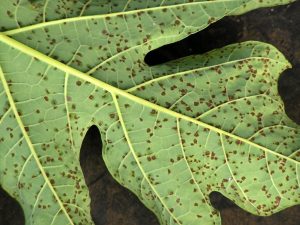
What Causes Pawpaw Anthracnose?
Pawpaw anthracnose is mainly caused by fungi from the Colletotrichum group. The fungus attacks leaves, leaf stalks, flowers and fruits. However, fruit infection causes the highest financial loss.
First, the fungus survives on infected fruits, dry leaves and other crop waste. Next, rain, irrigation water, insects and farm tools move its spores to healthy plants. As a result, the disease can spread quickly through a pawpaw orchard.
In addition, some infections remain hidden while the fruit is green. The signs then appear as the fruit starts to ripen. Therefore, a fruit that looks healthy at harvest may develop anthracnose during transport or storage.
Conditions That Favour Pawpaw Anthracnose
Several conditions increase the risk of pawpaw anthracnose. For example, the disease spreads quickly during warm and wet weather. Poor field care can also increase infection.
- Frequent rain and high humidity
- Warm weather combined with wet leaves
- Overhead irrigation
- Poor airflow between plants
- Infected fruits left in the field
- Old leaves and crop waste around the plants
- Dense weeds within the orchard
- Poor soil drainage
- Fruit damage caused by insects or rough handling
Therefore, farmers should inspect pawpaw plants more often during Kenya’s rainy seasons. In addition, they should remove infected fruits as soon as possible. Early action protects more fruits and lowers disease-control costs.
How to Identify Pawpaw Anthracnose
Signs on green pawpaw fruits
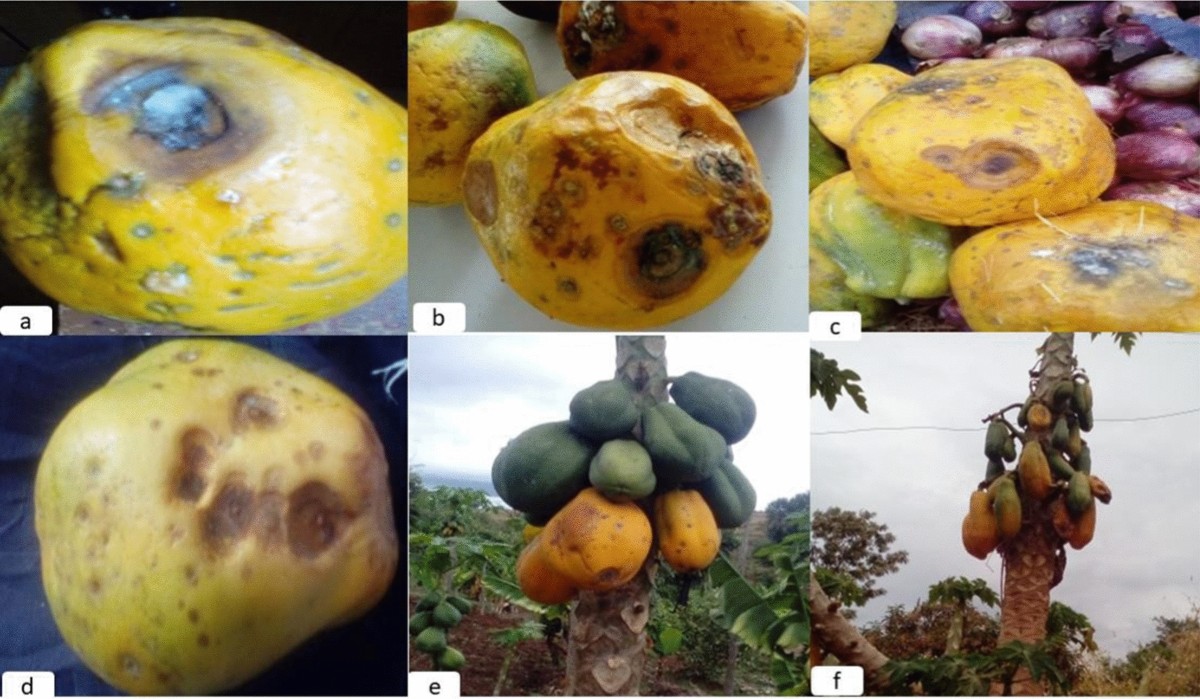
- At first, small, round and wet-looking spots appear on the skin.
- Later, these spots turn dark brown or black.
- As the disease develops, older spots become sunken.
- Sometimes, latex may come from badly affected areas.
- Several spots may also join and cover a large part of the fruit.
- Finally, badly infected young fruits may fall from the plant.
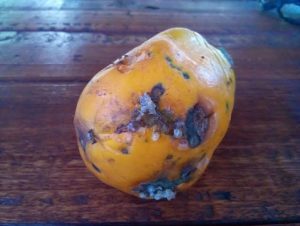
Signs on ripe pawpaw fruits
- As the fruit ripens, black spots spread quickly across its skin.
- Over time, affected areas become soft and deeply sunken.
- During humid weather, pink or orange spores may appear inside the spots.
- Eventually, the flesh softens and begins to rot.
- Consequently, badly affected fruits become unsuitable for sale.
Signs on leaves and leaf stalks
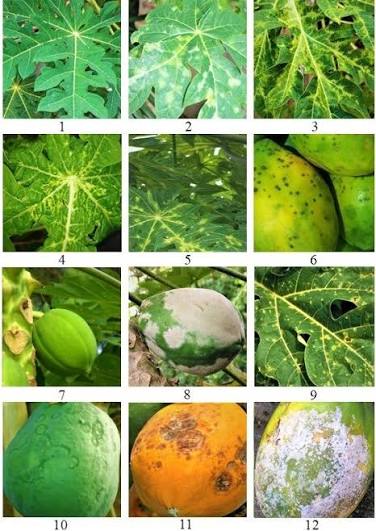
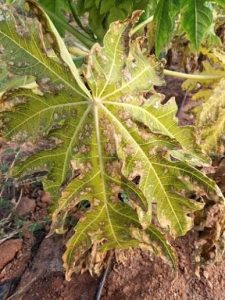
- At first, small yellow or brown spots appear on the leaves.
- As the infection spreads, these spots grow and become darker.
- In severe cases, affected leaves turn yellow and fall early.
- Meanwhile, dark marks may form along the leaf stalks.
- Finally, young shoots may begin drying from the tip.
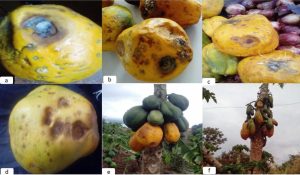
Is It Anthracnose or Another Pawpaw Problem?
Several pawpaw diseases can cause dark marks. Therefore, farmers should confirm the signs before choosing a fungicide.
| Signs observed | Likely problem | Main difference |
|---|---|---|
| Black, sunken spots with pink or orange spores | Anthracnose | The spots become soft and spread during ripening. |
| Small, firm and rough black spots | Pawpaw black spot | The spots often remain close to the fruit skin. |
| Soft rot that begins at the fruit stalk | Stem-end rot | Decay starts where the fruit joins the plant. |
| Large, wet-looking spots with white mould | Phytophthora fruit rot | This disease is common after heavy rain or poor drainage. |
| Pale or burnt skin on the sunny side | Sunburn | The damage follows direct exposure to strong sunlight. |
Can Fungicides Cure Pawpaw Anthracnose?
A fungicide can stop or slow an early infection. It can also protect healthy leaves and fruits. However, it cannot repair a fruit that has already started to rot.
Therefore, farmers should remove badly infected fruits before spraying. Otherwise, those fruits will continue to release spores and infect healthy produce.
Recommended Fungicide for Pawpaw Anthracnose
Absolute Star 400SC
Absolute Star 400SC is a broad-range fungicide that contains two active ingredients:
- Azoxystrobin 250 g/L – FRAC Group 11
- Difenoconazole 150 g/L – FRAC Group 3
First, azoxystrobin stops spore growth and protects healthy plant tissue. Meanwhile, difenoconazole enters the plant and controls early fungal growth. Therefore, the two ingredients provide both preventive and early curative action.
| Rate per 20 litres | 8–10 ml |
|---|---|
| Spray interval | 7–14 days, depending on weather, disease pressure and label instructions |
| Type of action | Preventive and early curative |
| FRAC groups | 11 + 3 |
| PHI | Follow the pawpaw PHI printed on the current Kenyan product label |
Use the lower label rate for preventive protection. However, use the upper label rate when the first signs appear or disease pressure is high.
Important: A fungicide cannot repair fruit tissue that has already rotted. Therefore, remove badly infected fruits before spraying.
How and When to Spray Pawpaw Anthracnose
Preventive spraying
Start preventive spraying when long periods of rain or humid weather are expected. In particular, protect plants during flowering, fruit setting and fruit growth.
Furthermore, inspect the lower fruits and inner parts of the plant. These sections often remain wet for longer and may develop infection first.
Spraying after symptoms appear
- First, inspect the whole pawpaw orchard.
- Next, collect badly infected fruits and leaves.
- Move the infected material away from the field.
- Afterwards, measure 8–10 ml of Absolute Star 400SC.
- Mix the measured product with 20 litres of clean water.
- Spray the leaves, leaf stalks, fruit stalks and fruits evenly.
- Then, check the crop again after five to seven days.
- Finally, repeat the spray after 7–14 days if the label permits it.
Use the shorter label interval during frequent rainfall or fast disease spread. On the other hand, use the longer interval when the weather is dry and disease pressure is low.
Best Time to Spray Pawpaw
- Ideally, spray in the morning after the dew has dried.
- Alternatively, apply the treatment in the late afternoon.
- During application, avoid strong wind.
- Likewise, avoid spraying during extreme heat.
- If rain is expected immediately, delay the application.
- After spraying, allow enough time for the product to dry.
Good timing reduces spray loss. In addition, it allows the fungicide to cover and protect the plant properly.
How to Mix a 20-Litre Pawpaw Spray
- Before mixing, wear gloves, boots, protective clothing and eye protection.
- First, fill half of a clean knapsack with water.
- Meanwhile, shake the fungicide container thoroughly.
- Next, measure 8–10 ml with a suitable measuring tool.
- Add the fungicide while gently stirring the water.
- Where necessary, add only approved and compatible products.
- Afterwards, top up the sprayer to 20 litres.
- Mix the solution again before spraying.
- Finally, apply the mixture on the same day.
Do not keep mixed spray overnight. Instead, prepare only the amount required for that day.
Using Integra Spray Adjuvant
Where both labels permit the mixture, farmers may add Integra at 3 ml per 20 litres. The adjuvant helps the spray spread across pawpaw leaves and fruits.
However, farmers should not exceed the label rate. Too much wetter may cause runoff or mark tender fruits. Therefore, follow the current label and test the mixture on a few plants first.
Fungicide Compatibility
Absolute Star may mix with some crop protection products. However, farmers should not assume that every pesticide or foliar feed will mix safely with it.
- First, read the label on every product.
- Afterwards, conduct a jar test using the same spray water.
- Strongly alkaline products should be avoided.
- Unless both labels allow it, keep copper and sulphur fungicides separate.
- Also, take care when using calcium-rich foliar feeds.
- Whenever possible, avoid mixtures containing several fungicides.
- If compatibility remains uncertain, apply the products separately.
How to conduct a jar test
- First, fill a clear container with the water intended for spraying.
- Next, add small but matching amounts of the planned products.
- Then, close the container and shake it carefully.
- After 15–30 minutes, inspect the mixture.
- Reject it if you notice lumps, layers, heavy foam, heat or solid deposits.
- Finally, test an acceptable mixture on a few plants before treating the whole field.
Nevertheless, a jar test only shows whether the products mix physically. It does not prove that the mixture is safe, effective or approved for use on pawpaw. Therefore, the product labels remain the final guide.
Pre-Harvest Interval for Pawpaw
The pre-harvest interval, commonly called PHI, is the minimum period between the final spray and harvesting.
The available public information does not clearly provide a pawpaw-specific PHI for Absolute Star 400SC. Therefore, farmers must follow the pawpaw PHI printed on the current Kenyan product label.
In particular, do not use a PHI listed for mango, tomato, onion or another crop. If pawpaw does not appear on the label, consult the manufacturer or a qualified crop adviser before spraying fruits meant for sale.
How to Prevent Fungicide Resistance
Absolute Star contains fungicides from FRAC Groups 11 and 3. Overuse may make anthracnose harder to control. Therefore, farmers should include it in a planned rotation programme.
- Avoid making many back-to-back Absolute Star applications.
- Instead, rotate it with a pawpaw-approved fungicide from a different FRAC group.
- Nativo should not follow Absolute Star because both products contain Groups 11 and 3.
- Always apply the full rate shown on the label.
- In addition, combine fungicide spraying with good orchard hygiene.
- Finally, record the product name, FRAC groups, spray date and PHI.
Agronomic Advice for Pawpaw Anthracnose Control
Keep the orchard clean
- Every week, collect fallen and infected fruits.
- During crop checks, remove old and badly infected leaves.
- Rotten fruits should never remain below the trees.
- After pruning, clean and disinfect the tools.
- In addition, wash harvesting crates regularly.
Improve airflow
- Always maintain the recommended plant spacing.
- Where necessary, remove old, hanging leaves carefully.
- Regularly control weeds around the plants.
- For better airflow, avoid overcrowding the orchard with other crops.
As a result, leaves and fruits dry faster after rain. This makes the orchard less favourable for anthracnose.
Manage irrigation and drainage
- Where possible, use drip irrigation.
- During the evening, avoid wetting fruits and leaves.
- Before heavy rain, ensure drainage channels remain open.
- Water should not collect around the plant bases.
- In addition, reduce soil splash onto low fruits.
Protect fruits during harvesting
- Throughout the season, control insects that damage fruits.
- During harvesting, use clean hands and tools.
- Handle every fruit carefully to prevent bruising.
- For transport, use clean and padded crates.
- Immediately separate damaged fruits from healthy ones.
- Finally, move harvested fruits into a cool, clean and shaded place.
Simple Pawpaw Anthracnose Spray Guide
| Field condition | Recommended action |
|---|---|
| No symptoms during dry weather | Inspect the plants weekly and keep the field clean. |
| Rainy weather expected | Apply a label-approved preventive fungicide before infection begins. |
| First fruit spots observed | Remove infected fruits and spray Absolute Star at 8–10 ml per 20 litres. |
| High disease pressure | Use the shortest label-approved interval and improve spray coverage. |
| After repeated Group 11 and 3 use | Rotate to a pawpaw-approved fungicide with different FRAC groups. |
| Close to harvesting | Check the label PHI before spraying or picking fruits. |
Frequently Asked Questions About Pawpaw Anthracnose
What causes black, sunken spots on pawpaw fruits?
Black, sunken spots with pink or orange spores strongly suggest anthracnose. However, farmers should also rule out black spot and Phytophthora fruit rot.
What is the Absolute Star rate per 20 litres?
Use 8–10 ml per 20 litres of water. Nevertheless, always follow the current Kenyan product label.
How often should farmers spray?
The published spray interval is 7–14 days. However, weather, disease pressure and label directions determine the correct interval.
Can a fungicide heal a rotten pawpaw fruit?
No. A fungicide can protect healthy tissue and control an early infection. However, it cannot repair rotten fruit.
Can Absolute Star and Nativo be used in rotation?
No. Both products contain FRAC Groups 11 and 3. Therefore, changing between the two brands does not provide a proper fungicide rotation.
Where can farmers buy pawpaw fungicides in Nairobi?
Farmers can obtain genuine fungicides, adjuvants, seeds and sprayers from Dawn Farmers Ltd at Mang Building along Haile Selassie Avenue, Nairobi. Call 0713 064 228 for stock details and agronomic advice.
Get Pawpaw Disease-Control Advice in Nairobi
Early diagnosis helps farmers protect more fruits and avoid unnecessary spray costs. Therefore, bring clear photographs or affected fruit and leaf samples to Dawn Farmers Ltd for assessment.
Visit Dawn Farmers Ltd at Mang Building along Haile Selassie Avenue, Nairobi. Alternatively, call 0713 064 228 or shop online through Dawn Farmers Ltd.
Dawn Farmers Ltd – Empowering farmers, feeding the nation.
Related Pawpaw Products from Dawn Farmers Ltd
For better pawpaw production, farmers need an effective fungicide, good spray coverage and healthy planting material. Therefore, consider the following related products:
Absolute Star 400SC Fungicide
– helps prevent and control early fungal infections.
Integra Spray Adjuvant
– improves spray coverage where both product labels permit mixing.
Jacto XP Knapsack Sprayer
– supports accurate spraying and even crop coverage.
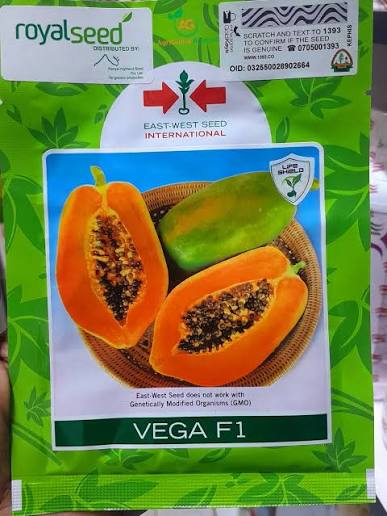
Vega F1 Hybrid Pawpaw Seeds
– suitable for early commercial pawpaw production.
Malkia F1 Papaya Seeds
– quality hybrid seed for commercial papaya farming.