Knapsack sprayer calibration is the process of checking how much liquid the sprayer applies over a known area under the operator’s normal working conditions. Accurate calibration helps farmers follow pesticide label directions more consistently and avoids guessing how quickly a tank should be emptied.
Why Calibration Matters Before Spraying
For anyone using a knapsack sprayer in Kenya, output depends on nozzle condition, pressure, walking speed and spray width. Good pesticide sprayer calibration therefore measures the equipment and operator together rather than relying only on tank capacity.
| Calibration Check | What to Measure | Why It Matters |
|---|---|---|
| Nozzle output | Liquid delivered over a known time | Shows whether output is consistent |
| Walking speed | Time over a measured distance | Changes application volume per area |
| Spray width | Effective treated width | Needed to calculate covered area |
| Equipment condition | Leaks, filters, seals and nozzle wear | Prevents inaccurate measurements |
Inspect the Sprayer First
Reliable agricultural sprayer maintenance starts before calibration. Check the tank, hose, lance, trigger, seals, filters and nozzle for leaks or damage. Worn parts can change output and spray pattern, making previous calibration results unreliable.
Measure Output Speed and Spray Width
During spray nozzle selection and calibration, use clean water and operate the sprayer at the pressure and walking pace you expect to use in the field. Good farm spraying equipment should produce a stable pattern without leaks or blocked filters.
Match the Nozzle to the Application
Different jobs can require different nozzle characteristics. Care of pesticide application equipment includes cleaning the tank, filters and nozzle according to equipment and pesticide instructions. Never clear a blocked nozzle with your mouth.
Recalibrate When Something Changes
Important sprayer calibration steps should be repeated after changing the nozzle, pressure, operator, walking speed or major equipment components. For safe pesticide spraying, calibration must work together with the approved pesticide label and suitable protective equipment.
Choosing a Knapsack Sprayer
Farmers comparing agricultural sprayers in Kenya can browse Dawn Farmers’ sprayers category. When considering a Jacto knapsack sprayer, compare tank capacity, pump design, comfort, serviceability and spare parts. The catalogue includes Jacto HD and Jacto XP. Farmers searching for sprayers for sale in Kenya should choose by workload and application needs, not price alone.
About the product and variety information used here: Calibration is the process of matching nozzle output, walking speed, spray width and pressure so the sprayer delivers a known spray volume consistently. Always calculate product dose from the approved label after calibration, not the other way around.
Why Calibration Matters
Calibration tells the operator how much spray mixture the equipment applies over a known area under a particular nozzle, pressure and walking speed. Without calibration, a farmer may know the product rate on the label but still not know how much product belongs in one knapsack tank.
That uncertainty can lead to under-application, overdosing, poor pest control, crop injury or unnecessary cost. Calibration should therefore be treated as a routine farm skill rather than a once-only calculation.
The farm-level value of why Calibration Matters comes from consistency in knapsack sprayer calibration. One well-managed operation supports the next: uniform establishment improves scouting, good scouting improves timing, and accurate timing makes every later input easier to justify. Small variations in depth, plant population, operator technique or field condition can become large yield differences when they are repeated over a whole field. Use a simple checklist before the operation begins, observe the result afterwards, and record anything unusual so the next season is based on evidence rather than memory.
When applying the lesson from why Calibration Matters to knapsack sprayer calibration, separate what can be controlled from what cannot. Weather will change, but the farm can still control preparation, timing, input identity, equipment condition and record keeping. When conditions move away from the original plan, adjust the operation through agronomic reasoning instead of adding more product automatically. This approach keeps the decision resilient because it remains linked to the actual field rather than to a rigid recipe.
Before committing money or labour to why Calibration Matters, ask what information would make the decision less uncertain for knapsack sprayer calibration. It may be a soil test, a seed label, a pest count, a calibration measurement, a weather forecast, a market order or a current price. Collecting that information before spending money usually costs less than correcting the consequences of a poorly matched input. This habit is one of the clearest differences between reactive farming and deliberate farm management.
The idea behind knapsack sprayer calibration becomes most useful when it is applied to a real field decision. For knapsack sprayer calibration, compare the farm conditions, stage of production and evidence from scouting or records before changing the programme.
Know the Main Parts of a Knapsack Sprayer
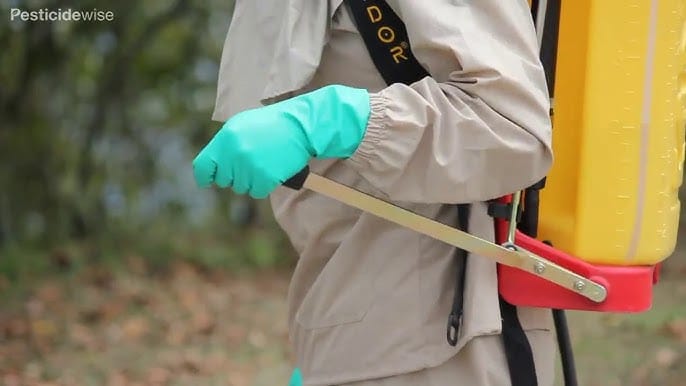
A typical knapsack sprayer includes the tank, pump, pressure chamber, hose, trigger valve, lance, filter and nozzle assembly. Each component affects output or operator safety.
A leaking hose, blocked filter or worn nozzle changes performance even if the calibration was correct when the machine was new. Regular inspection should come before measurement.
How to Apply Know the Main Parts of a Knapsack Sprayer on the Farm
For knapsack sprayer calibration, know the Main Parts of a Knapsack Sprayer should always be connected to diagnosis and application quality. The farmer should be able to name the crop, target problem, crop stage and the reason treatment is justified before opening a pesticide container. Then the current label determines whether the product is registered for that use, how it is mixed and applied, what protective equipment is required, and what restrictions apply before harvest or worker re-entry. Changing dose, shortening intervals or adding unlisted tank-mix partners because control looks weak can create more problems than it solves. Review diagnosis, coverage, timing and resistance management first.
For a commercial grower managing knapsack sprayer calibration, know the Main Parts of a Knapsack Sprayer is also a cost-control point. Every pass through the field uses labour, fuel or carrying effort and may expose the crop to additional risk. An operation should therefore have a clear objective and a way to judge whether it worked. Record the date, field or block, input or equipment used and any observation that explains the result. Over time, those records show which practices are worth repeating.
Start With Clean Water and a Clean Sprayer
Calibration should be done with clean water rather than pesticide. The tank, filters, lines and nozzle should be clean enough that residues or blockages do not distort output.
Never use the mouth to blow through a blocked nozzle. Use a soft brush or suitable cleaning tool and wear protective equipment if the sprayer has previously contained pesticides.
For knapsack sprayer calibration, start With Clean Water and a Clean Sprayer should always be connected to diagnosis and application quality. The farmer should be able to name the crop, target problem, crop stage and the reason treatment is justified before opening a pesticide container. Then the current label determines whether the product is registered for that use, how it is mixed and applied, what protective equipment is required, and what restrictions apply before harvest or worker re-entry. Changing dose, shortening intervals or adding unlisted tank-mix partners because control looks weak can create more problems than it solves. Review diagnosis, coverage, timing and resistance management first.
A common mistake around start With Clean Water and a Clean Sprayer is to respond to one disappointing symptom by changing several things at once. That makes it difficult to know which change helped and can create hidden interactions. Where possible, correct the most likely limiting factor first, observe knapsack sprayer calibration, and keep other management stable. This is especially important when fertilizers or pesticides are involved, because unnecessary combinations increase cost and may create crop-safety or compatibility problems.
Before committing money or labour to start With Clean Water and a Clean Sprayer, ask what information would make the decision less uncertain for knapsack sprayer calibration. It may be a soil test, a seed label, a pest count, a calibration measurement, a weather forecast, a market order or a current price. Collecting that information before spending money usually costs less than correcting the consequences of a poorly matched input. This habit is one of the clearest differences between reactive farming and deliberate farm management.
Farmers researching knapsack sprayer in Kenya should connect the phrase to practical management: what the crop needs, what the field can supply, what the current label or variety information says and what outcome will be measured afterwards.
Check for Leaks and Pressure Problems
Fill the sprayer partly with water and operate it over a safe area while checking the tank cap, hose connections, trigger valve and lance. Leaks waste spray and can expose the operator directly.
A pump that cannot maintain pressure will create inconsistent nozzle output. Repair defects before attempting to calibrate.
The farm-level value of check for Leaks and Pressure Problems comes from consistency in knapsack sprayer calibration. One well-managed operation supports the next: uniform establishment improves scouting, good scouting improves timing, and accurate timing makes every later input easier to justify. Small variations in depth, plant population, operator technique or field condition can become large yield differences when they are repeated over a whole field. Use a simple checklist before the operation begins, observe the result afterwards, and record anything unusual so the next season is based on evidence rather than memory.
The scale of check for Leaks and Pressure Problems matters in knapsack sprayer calibration. A decision that seems minor on a few plants can become expensive over several acres. Before applying it across the whole farm, confirm that the method, product or variety fits the field and that workers understand the procedure. Small trial areas, calibration checks and written instructions can prevent a repeated error from affecting an entire crop.
In practice, pesticide sprayer calibration should not be treated as a stand-alone promise. Its value depends on how well the product, variety or method fits knapsack sprayer calibration under the actual conditions on the farm.
Understand Nozzle Type
Nozzles determine flow rate, spray pattern and droplet size. Flat-fan, hollow-cone and other nozzle designs serve different application purposes.
The label or crop-protection recommendation may specify a nozzle type or droplet category. Calibration must use the actual nozzle that will be used in the field because changing the nozzle changes output.
How to Apply Understand Nozzle Type on the Farm
The farm-level value of understand Nozzle Type comes from consistency in knapsack sprayer calibration. One well-managed operation supports the next: uniform establishment improves scouting, good scouting improves timing, and accurate timing makes every later input easier to justify. Small variations in depth, plant population, operator technique or field condition can become large yield differences when they are repeated over a whole field. Use a simple checklist before the operation begins, observe the result afterwards, and record anything unusual so the next season is based on evidence rather than memory.
Good decisions about understand Nozzle Type also leave room for local knowledge. Soil type, altitude, water quality, pest pressure and market conditions vary across Kenya, so general guidance should be refined with current local recommendations and product information. Use this principle with knapsack sprayer calibration: understand the agronomy first, then adapt the details to the farm rather than copying a programme from a different production environment.
Before committing money or labour to understand Nozzle Type, ask what information would make the decision less uncertain for knapsack sprayer calibration. It may be a soil test, a seed label, a pest count, a calibration measurement, a weather forecast, a market order or a current price. Collecting that information before spending money usually costs less than correcting the consequences of a poorly matched input. This habit is one of the clearest differences between reactive farming and deliberate farm management.
Measure Nozzle Output
One part of calibration is measuring how much water the nozzle delivers over a known time at the normal operating pressure. Collect the output in a graduated container and repeat the measurement to confirm consistency.
A nozzle whose output differs greatly from a new reference or from other nozzles may be worn or damaged. Replace badly worn nozzles rather than trying to compensate by changing walking speed.
The farm-level value of measure Nozzle Output comes from consistency in knapsack sprayer calibration. One well-managed operation supports the next: uniform establishment improves scouting, good scouting improves timing, and accurate timing makes every later input easier to justify. Small variations in depth, plant population, operator technique or field condition can become large yield differences when they are repeated over a whole field. Use a simple checklist before the operation begins, observe the result afterwards, and record anything unusual so the next season is based on evidence rather than memory.
Connect measure Nozzle Output to the next decision in the knapsack sprayer calibration season. If establishment is uneven, later fertilizer and spray calculations may need to account for a lower plant population. If a pest treatment is delayed, scouting frequency may need to increase. If water is limiting, nutrient uptake may change. Thinking in sequences turns this step into part of a complete crop-management system instead of an isolated task.
A useful way to evaluate agricultural sprayer maintenance is to ask what changes in the field if this decision is correct. The answer should be observable through establishment, crop health, application quality, harvest or cost records rather than through marketing language alone.
Choose a Consistent Operating Pressure
Knapsack sprayers often rely on manual pumping, so pressure can rise and fall if the operator pumps irregularly. The operator should learn a pumping rhythm that keeps the spray pattern reasonably stable.
Higher pressure can increase flow and create finer droplets, but it should not be used as a shortcut for better coverage. Use the pressure range appropriate for the nozzle, product and application.
The farm-level value of choose a Consistent Operating Pressure comes from consistency in knapsack sprayer calibration. One well-managed operation supports the next: uniform establishment improves scouting, good scouting improves timing, and accurate timing makes every later input easier to justify. Small variations in depth, plant population, operator technique or field condition can become large yield differences when they are repeated over a whole field. Use a simple checklist before the operation begins, observe the result afterwards, and record anything unusual so the next season is based on evidence rather than memory.
After completing the work around choose a Consistent Operating Pressure, set one or two observations to check in knapsack sprayer calibration. These might include emergence uniformity, crop colour, weed escape, pest numbers, nozzle output, fruit quality or marketable harvest depending on the stage. Without a follow-up observation, it is easy to repeat a costly practice simply because it has always been done that way.
Before committing money or labour to choose a Consistent Operating Pressure, ask what information would make the decision less uncertain for knapsack sprayer calibration. It may be a soil test, a seed label, a pest count, a calibration measurement, a weather forecast, a market order or a current price. Collecting that information before spending money usually costs less than correcting the consequences of a poorly matched input. This habit is one of the clearest differences between reactive farming and deliberate farm management.
Measure Walking Speed
Walking speed affects how much spray reaches each square metre. An operator who walks faster applies less volume to the same area, while a slower pace increases volume.
Measure the time required to walk a known distance at a comfortable field pace while carrying a sprayer with a realistic load. Repeat the test and use the average rather than a single unusually fast or slow pass.
How to Apply Measure Walking Speed on the Farm
The farm-level value of measure Walking Speed comes from consistency in knapsack sprayer calibration. One well-managed operation supports the next: uniform establishment improves scouting, good scouting improves timing, and accurate timing makes every later input easier to justify. Small variations in depth, plant population, operator technique or field condition can become large yield differences when they are repeated over a whole field. Use a simple checklist before the operation begins, observe the result afterwards, and record anything unusual so the next season is based on evidence rather than memory.
If advice about measure Walking Speed from a supplier, neighbour and agronomist differs, compare each recommendation against current label or variety information and the conditions in the field. The most persuasive recommendation for knapsack sprayer calibration is the one that explains why it fits the crop, stage and problem. That standard reduces dependence on brand reputation or hearsay.
For spray nozzle selection, start with the farm environment and production objective, then compare documented characteristics, management needs and cost. That sequence makes the choice more useful for knapsack sprayer calibration than starting with a brand name.
Measure Spray Width or Row Width
Broadcast spraying depends on the effective width of the spray swath, while row or band applications depend on the treated width or row spacing. An incorrect width assumption changes the calculated area covered.
Mark the working pattern in the field and avoid excessive overlap or untreated gaps. For boom equipment, nozzle spacing and spray pattern overlap must be checked as well.
For knapsack sprayer calibration, measure Spray Width or Row Width should always be connected to diagnosis and application quality. The farmer should be able to name the crop, target problem, crop stage and the reason treatment is justified before opening a pesticide container. Then the current label determines whether the product is registered for that use, how it is mixed and applied, what protective equipment is required, and what restrictions apply before harvest or worker re-entry. Changing dose, shortening intervals or adding unlisted tank-mix partners because control looks weak can create more problems than it solves. Review diagnosis, coverage, timing and resistance management first.
When applying the lesson from measure Spray Width or Row Width to knapsack sprayer calibration, separate what can be controlled from what cannot. Weather will change, but the farm can still control preparation, timing, input identity, equipment condition and record keeping. When conditions move away from the original plan, adjust the operation through agronomic reasoning instead of adding more product automatically. This approach keeps the decision resilient because it remains linked to the actual field rather than to a rigid recipe.
Before committing money or labour to measure Spray Width or Row Width, ask what information would make the decision less uncertain for knapsack sprayer calibration. It may be a soil test, a seed label, a pest count, a calibration measurement, a weather forecast, a market order or a current price. Collecting that information before spending money usually costs less than correcting the consequences of a poorly matched input. This habit is one of the clearest differences between reactive farming and deliberate farm management.
Calculate Water Volume per Area
Once nozzle output, walking speed and spray width are known, the operator can calculate the volume of water applied per hectare or other chosen area. This water volume is the bridge between equipment performance and the pesticide label rate.
The exact arithmetic can be done using a standard calibration formula or by measuring how much water is used on a known test area. Record the result for that nozzle and operating setup.
For knapsack sprayer calibration, calculate Water Volume per Area should be treated as a root-zone decision rather than a fixed calendar. Soil texture, rooting depth, crop size, weather and drainage all change how quickly water becomes limiting. Both shortage and excess can reduce nutrient uptake and make pest or disease symptoms harder to interpret. Check the soil as well as the leaves, and adjust irrigation or moisture-conservation practices before assuming every stress symptom requires another chemical or fertilizer input. Where irrigation is used, uniform delivery across the field is as important as total water applied.
For a commercial grower managing knapsack sprayer calibration, calculate Water Volume per Area is also a cost-control point. Every pass through the field uses labour, fuel or carrying effort and may expose the crop to additional risk. An operation should therefore have a clear objective and a way to judge whether it worked. Record the date, field or block, input or equipment used and any observation that explains the result. Over time, those records show which practices are worth repeating.
Farmers researching farm spraying equipment should connect the phrase to practical management: what the crop needs, what the field can supply, what the current label or variety information says and what outcome will be measured afterwards.
Convert the Label Rate to Tank Quantity
Only after spray volume is known should the farmer calculate how much pesticide belongs in the tank. Use the approved label rate per hectare or per unit area and the area that one tank covers.
Do not convert from a neighbour’s tank mix unless the sprayer calibration, tank size and label are identical. Never increase the dose to compensate for poor coverage.
How to Apply Convert the Label Rate to Tank Quantity on the Farm
For knapsack sprayer calibration, convert the Label Rate to Tank Quantity should always be connected to diagnosis and application quality. The farmer should be able to name the crop, target problem, crop stage and the reason treatment is justified before opening a pesticide container. Then the current label determines whether the product is registered for that use, how it is mixed and applied, what protective equipment is required, and what restrictions apply before harvest or worker re-entry. Changing dose, shortening intervals or adding unlisted tank-mix partners because control looks weak can create more problems than it solves. Review diagnosis, coverage, timing and resistance management first.
A common mistake around convert the Label Rate to Tank Quantity is to respond to one disappointing symptom by changing several things at once. That makes it difficult to know which change helped and can create hidden interactions. Where possible, correct the most likely limiting factor first, observe knapsack sprayer calibration, and keep other management stable. This is especially important when fertilizers or pesticides are involved, because unnecessary combinations increase cost and may create crop-safety or compatibility problems.
Before committing money or labour to convert the Label Rate to Tank Quantity, ask what information would make the decision less uncertain for knapsack sprayer calibration. It may be a soil test, a seed label, a pest count, a calibration measurement, a weather forecast, a market order or a current price. Collecting that information before spending money usually costs less than correcting the consequences of a poorly matched input. This habit is one of the clearest differences between reactive farming and deliberate farm management.
Good practice around pesticide application equipment begins with current product directions, calibrated equipment and the actual crop or field situation. For knapsack sprayer calibration, accuracy and safety should come before attempts to make a product work faster or stronger.
Calibrate Each Operator
Two people using the same sprayer can apply different volumes because their walking speed, pumping rhythm and lance movement differ. Where several workers spray the same crop, calibrate each operator or standardise the application method closely.
Training should include lane width, nozzle height and how the lance is moved. This reduces striping and inconsistent treatment across the field.
The farm-level value of calibrate Each Operator comes from consistency in knapsack sprayer calibration. One well-managed operation supports the next: uniform establishment improves scouting, good scouting improves timing, and accurate timing makes every later input easier to justify. Small variations in depth, plant population, operator technique or field condition can become large yield differences when they are repeated over a whole field. Use a simple checklist before the operation begins, observe the result afterwards, and record anything unusual so the next season is based on evidence rather than memory.
The scale of calibrate Each Operator matters in knapsack sprayer calibration. A decision that seems minor on a few plants can become expensive over several acres. Before applying it across the whole farm, confirm that the method, product or variety fits the field and that workers understand the procedure. Small trial areas, calibration checks and written instructions can prevent a repeated error from affecting an entire crop.
Recalibrate When Conditions Change
Calibration changes when the nozzle, pressure, walking speed, sprayer or application method changes. A new nozzle size or different crop row spacing can make an old calibration inaccurate.
Worn nozzles also gradually increase output. Recheck calibration periodically and whenever equipment or technique changes.
The farm-level value of recalibrate When Conditions Change comes from consistency in knapsack sprayer calibration. One well-managed operation supports the next: uniform establishment improves scouting, good scouting improves timing, and accurate timing makes every later input easier to justify. Small variations in depth, plant population, operator technique or field condition can become large yield differences when they are repeated over a whole field. Use a simple checklist before the operation begins, observe the result afterwards, and record anything unusual so the next season is based on evidence rather than memory.
Good decisions about recalibrate When Conditions Change also leave room for local knowledge. Soil type, altitude, water quality, pest pressure and market conditions vary across Kenya, so general guidance should be refined with current local recommendations and product information. Use this principle with knapsack sprayer calibration: understand the agronomy first, then adapt the details to the farm rather than copying a programme from a different production environment.
Before committing money or labour to recalibrate When Conditions Change, ask what information would make the decision less uncertain for knapsack sprayer calibration. It may be a soil test, a seed label, a pest count, a calibration measurement, a weather forecast, a market order or a current price. Collecting that information before spending money usually costs less than correcting the consequences of a poorly matched input. This habit is one of the clearest differences between reactive farming and deliberate farm management.
A useful way to evaluate agricultural sprayers in Kenya is to ask what changes in the field if this decision is correct. The answer should be observable through establishment, crop health, application quality, harvest or cost records rather than through marketing language alone.
Coverage Is Not the Same as Drenching
Good application means placing the right amount of spray on the target, not making the crop drip excessively. Runoff wastes product and can increase environmental contamination.
Some pests or diseases require good canopy penetration, while herbicide applications may need controlled droplets to reduce drift. Use nozzle, water volume and technique appropriate for the label and target.
How to Apply Coverage Is Not the Same as Drenching on the Farm
The farm-level value of coverage Is Not the Same as Drenching comes from consistency in knapsack sprayer calibration. One well-managed operation supports the next: uniform establishment improves scouting, good scouting improves timing, and accurate timing makes every later input easier to justify. Small variations in depth, plant population, operator technique or field condition can become large yield differences when they are repeated over a whole field. Use a simple checklist before the operation begins, observe the result afterwards, and record anything unusual so the next season is based on evidence rather than memory.
Connect coverage Is Not the Same as Drenching to the next decision in the knapsack sprayer calibration season. If establishment is uneven, later fertilizer and spray calculations may need to account for a lower plant population. If a pest treatment is delayed, scouting frequency may need to increase. If water is limiting, nutrient uptake may change. Thinking in sequences turns this step into part of a complete crop-management system instead of an isolated task.
Wind and Drift Management
Wind can carry droplets away from the target and toward neighbouring crops, homes, roads or water sources. Fine droplets are especially vulnerable to drift.
Check wind direction and speed before spraying and stop when conditions fall outside the product guidance. Do not solve drift by simply lowering the dose; correct the application conditions.
For knapsack sprayer calibration, wind and Drift Management should always be connected to diagnosis and application quality. The farmer should be able to name the crop, target problem, crop stage and the reason treatment is justified before opening a pesticide container. Then the current label determines whether the product is registered for that use, how it is mixed and applied, what protective equipment is required, and what restrictions apply before harvest or worker re-entry. Changing dose, shortening intervals or adding unlisted tank-mix partners because control looks weak can create more problems than it solves. Review diagnosis, coverage, timing and resistance management first.
After completing the work around wind and Drift Management, set one or two observations to check in knapsack sprayer calibration. These might include emergence uniformity, crop colour, weed escape, pest numbers, nozzle output, fruit quality or marketable harvest depending on the stage. Without a follow-up observation, it is easy to repeat a costly practice simply because it has always been done that way.
Before committing money or labour to wind and Drift Management, ask what information would make the decision less uncertain for knapsack sprayer calibration. It may be a soil test, a seed label, a pest count, a calibration measurement, a weather forecast, a market order or a current price. Collecting that information before spending money usually costs less than correcting the consequences of a poorly matched input. This habit is one of the clearest differences between reactive farming and deliberate farm management.
The idea behind Jacto knapsack sprayer becomes most useful when it is applied to a real field decision. For knapsack sprayer calibration, compare the farm conditions, stage of production and evidence from scouting or records before changing the programme.
Cleaning After Spraying
Rinse and clean the sprayer according to the pesticide label and equipment instructions after use. Herbicide residues can injure sensitive crops in a later application if the tank, hose, filters and nozzle are not decontaminated properly.
Washings must be managed without contaminating wells, rivers, drains or household areas. Wear PPE during cleaning because residues may still be concentrated in filters or fittings.
For knapsack sprayer calibration, cleaning After Spraying should always be connected to diagnosis and application quality. The farmer should be able to name the crop, target problem, crop stage and the reason treatment is justified before opening a pesticide container. Then the current label determines whether the product is registered for that use, how it is mixed and applied, what protective equipment is required, and what restrictions apply before harvest or worker re-entry. Changing dose, shortening intervals or adding unlisted tank-mix partners because control looks weak can create more problems than it solves. Review diagnosis, coverage, timing and resistance management first.
If advice about cleaning After Spraying from a supplier, neighbour and agronomist differs, compare each recommendation against current label or variety information and the conditions in the field. The most persuasive recommendation for knapsack sprayer calibration is the one that explains why it fits the crop, stage and problem. That standard reduces dependence on brand reputation or hearsay.
Maintenance and Spare Parts
Routine maintenance includes checking seals, hoses, filters, trigger valves, pump components and nozzles. Replacing a small worn seal early can prevent a leak that exposes the operator or wastes pesticide.
When buying a sprayer, availability of spare parts and service support should be part of the decision. Keep basic replacement parts and nozzle-cleaning tools on the farm where regular spraying is expected.
How to Apply Maintenance and Spare Parts on the Farm
The farm-level value of maintenance and Spare Parts comes from consistency in knapsack sprayer calibration. One well-managed operation supports the next: uniform establishment improves scouting, good scouting improves timing, and accurate timing makes every later input easier to justify. Small variations in depth, plant population, operator technique or field condition can become large yield differences when they are repeated over a whole field. Use a simple checklist before the operation begins, observe the result afterwards, and record anything unusual so the next season is based on evidence rather than memory.
When applying the lesson from maintenance and Spare Parts to knapsack sprayer calibration, separate what can be controlled from what cannot. Weather will change, but the farm can still control preparation, timing, input identity, equipment condition and record keeping. When conditions move away from the original plan, adjust the operation through agronomic reasoning instead of adding more product automatically. This approach keeps the decision resilient because it remains linked to the actual field rather than to a rigid recipe.
Before committing money or labour to maintenance and Spare Parts, ask what information would make the decision less uncertain for knapsack sprayer calibration. It may be a soil test, a seed label, a pest count, a calibration measurement, a weather forecast, a market order or a current price. Collecting that information before spending money usually costs less than correcting the consequences of a poorly matched input. This habit is one of the clearest differences between reactive farming and deliberate farm management.
Farmers researching sprayer calibration steps should connect the phrase to practical management: what the crop needs, what the field can supply, what the current label or variety information says and what outcome will be measured afterwards.
Choosing a Knapsack Sprayer
Tank capacity, pump design, harness comfort, materials, serviceability and intended workload all influence sprayer suitability. A large tank reduces refill frequency but increases carried weight.
A durable sprayer with available parts can provide better lifetime value than a cheaper model that cannot be repaired. Dawn Farmers lists Jacto HD and Jacto XP knapsack models among its sprayer options.
For knapsack sprayer calibration, choosing a Knapsack Sprayer should always be connected to diagnosis and application quality. The farmer should be able to name the crop, target problem, crop stage and the reason treatment is justified before opening a pesticide container. Then the current label determines whether the product is registered for that use, how it is mixed and applied, what protective equipment is required, and what restrictions apply before harvest or worker re-entry. Changing dose, shortening intervals or adding unlisted tank-mix partners because control looks weak can create more problems than it solves. Review diagnosis, coverage, timing and resistance management first.
For a commercial grower managing knapsack sprayer calibration, choosing a Knapsack Sprayer is also a cost-control point. Every pass through the field uses labour, fuel or carrying effort and may expose the crop to additional risk. An operation should therefore have a clear objective and a way to judge whether it worked. Record the date, field or block, input or equipment used and any observation that explains the result. Over time, those records show which practices are worth repeating.
Good practice around safe pesticide spraying begins with current product directions, calibrated equipment and the actual crop or field situation. For knapsack sprayer calibration, accuracy and safety should come before attempts to make a product work faster or stronger.
Safe Mixing and PPE
Calibration does not replace pesticide safety. Mixing often creates the greatest exposure risk because the product is still concentrated.
Use label-specified PPE, measure accurately, avoid splashes and keep clean water available for washing. Never let children or untrained workers handle pesticide concentrate or contaminated equipment.
For knapsack sprayer calibration, safe Mixing and PPE should always be connected to diagnosis and application quality. The farmer should be able to name the crop, target problem, crop stage and the reason treatment is justified before opening a pesticide container. Then the current label determines whether the product is registered for that use, how it is mixed and applied, what protective equipment is required, and what restrictions apply before harvest or worker re-entry. Changing dose, shortening intervals or adding unlisted tank-mix partners because control looks weak can create more problems than it solves. Review diagnosis, coverage, timing and resistance management first.
A common mistake around safe Mixing and PPE is to respond to one disappointing symptom by changing several things at once. That makes it difficult to know which change helped and can create hidden interactions. Where possible, correct the most likely limiting factor first, observe knapsack sprayer calibration, and keep other management stable. This is especially important when fertilizers or pesticides are involved, because unnecessary combinations increase cost and may create crop-safety or compatibility problems.
Before committing money or labour to safe Mixing and PPE, ask what information would make the decision less uncertain for knapsack sprayer calibration. It may be a soil test, a seed label, a pest count, a calibration measurement, a weather forecast, a market order or a current price. Collecting that information before spending money usually costs less than correcting the consequences of a poorly matched input. This habit is one of the clearest differences between reactive farming and deliberate farm management.
Keep Calibration Records
Record sprayer model, nozzle, measured output, walking speed, spray width and calculated spray volume. Also record the date because nozzle wear and equipment repairs can change performance.
These records make future calibration faster and help explain unexpected field results. A disciplined spray record is useful for both agronomy and cost control.
How to Apply Keep Calibration Records on the Farm
The farm-level value of keep Calibration Records comes from consistency in knapsack sprayer calibration. One well-managed operation supports the next: uniform establishment improves scouting, good scouting improves timing, and accurate timing makes every later input easier to justify. Small variations in depth, plant population, operator technique or field condition can become large yield differences when they are repeated over a whole field. Use a simple checklist before the operation begins, observe the result afterwards, and record anything unusual so the next season is based on evidence rather than memory.
The scale of keep Calibration Records matters in knapsack sprayer calibration. A decision that seems minor on a few plants can become expensive over several acres. Before applying it across the whole farm, confirm that the method, product or variety fits the field and that workers understand the procedure. Small trial areas, calibration checks and written instructions can prevent a repeated error from affecting an entire crop.
When farmers compare sprayers for sale in Kenya, the buying decision should follow suitability, current label or variety information, pack size, supplier traceability and the total farm requirement rather than price alone. This keeps the purchase connected to knapsack sprayer calibration and reduces the risk of buying an input that does not fit the production plan.
Accurate spraying also depends on understanding Agricultural Sprayers and Farm Tools for Sale in Kenya, Insecticide Active Ingredients Explained for Farmers and Crop Protection in Kenya and Pre Emergence and Post Emergence Herbicides in Kenya and for connected planning and buying decisions.
Frequently Asked Questions
Why should a knapsack sprayer be calibrated?
Calibration helps match sprayer output to a known area so pesticide applications are more consistent and closer to label requirements.
Should calibration be done with pesticide in the tank?
Use clean water for the calibration exercise unless equipment guidance specifically says otherwise.
When should a sprayer be recalibrated?
Recalibrate after changing nozzles, pressure, operator, walking speed or major equipment components.
How do worn nozzles affect spraying?
Worn nozzles can change output and spray pattern, producing uneven application and making previous calibration inaccurate.
What should I compare when buying a knapsack sprayer?
Compare capacity, pump system, comfort, nozzle and lance options, serviceability and availability of replacement parts.
Where can I buy Jacto sprayers in Kenya?
Dawn Farmers lists Jacto HD and Jacto XP knapsack sprayers together with other spraying equipment in its farm tools range.
How often should a knapsack sprayer be calibrated?
Recalibrate periodically and whenever the nozzle, pressure, operator technique, sprayer or application method changes.
Why do worn nozzles matter?
Worn nozzles can increase flow and change droplet pattern, causing uneven application even when the operator uses the same tank mix.
Can I calibrate with pesticide in the tank?
Calibration should normally be carried out with clean water so measurement can be done without unnecessary pesticide exposure.
What should I consider besides sprayer price?
Compare capacity, comfort, pump quality, nozzle options, spare parts, maintenance, serviceability and expected workload.
Why is spare-part availability important?
A small failed seal, hose or valve can stop a sprayer completely, so local access to replacement parts increases equipment life and reduces downtime.
Does a bigger sprayer tank always improve productivity?
Not always. Larger capacity reduces refill frequency but increases carried weight, which can increase fatigue and affect walking speed and calibration.
Need a Sprayer or Replacement Equipment?
Use the guide above to narrow the requirement, then browse farm tools and equipment. For current stock, pack sizes and prices, contact Dawn Farmers Limited on +254 724 367 713. In knapsack sprayer calibration, adapt this point to current field conditions, product or variety information and the management capacity of the farm.